Small and medium-sized businesses across Britain are increasingly reshaping their operations around a growing “event economy”, as major sporting fixtures, concerts and festivals drive sharp but predictable surges in customer demand throughout the year.
Rather than relying on traditional seasonal cycles or quarterly planning, many firms are now aligning staffing, stock and logistics with stadium schedules, tournament calendars and large-scale entertainment events that can transform local trading conditions within hours.
New analysis from insurer Hiscox highlights how these concentrated bursts of footfall are becoming more frequent and more widely distributed across the UK, particularly in areas near stadiums, parks and city-centre venues. While these spikes place pressure on operations, they are also increasingly anticipated, allowing businesses to prepare in advance.
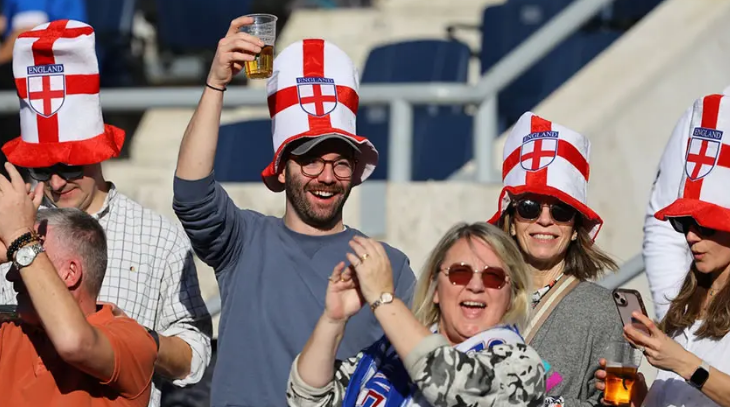
This summer’s major football tournament is expected to deliver one of the biggest short-term boosts to hospitality in recent years. Around 40 percent of consumers say they plan to watch matches in pubs or venues, while nearly half indicate they would pay more for prime viewing spots. Industry estimates suggest the tournament could generate close to £900 million in additional spending for the sector, drawing more than 12 million fans into pubs, bars and restaurants.
The government has also introduced temporary licensing changes to support venues during knockout fixtures involving home nations, allowing pubs to extend trading hours late into the night. The move is designed to accommodate increased demand while reducing administrative burdens on operators.
However, industry experts warn that the opportunities come with operational risks. Simon Ratcliff, a commercial insurance specialist at Hiscox, said venues must carefully manage crowd control, staffing levels, safety procedures and insurance cover when adapting their spaces for live screenings or extended trading hours. He also cautioned that equipment hire agreements, particularly for screens and audio systems, can leave businesses exposed to liability if not properly reviewed.
The rise of this event-driven trading pattern extends far beyond football. From Wimbledon and Royal Ascot to large-scale concerts, festivals and cultural celebrations across the UK, SMEs are increasingly operating within a year-round cycle of high-impact events that reshape local economies.
Business owners in event-heavy locations say preparation has become essential. One café operator near Wimbledon described how months of planning now go into managing staffing levels, customer flow and temporary infrastructure during the championships. Similarly, hospitality operators near major festival sites report adjusting stock levels and service models to cope with sudden surges in demand.
While these events bring valuable revenue, businesses also face challenges in maintaining service quality during intense trading periods. Rising costs and tight margins mean that even brief spikes in demand must be carefully managed to remain profitable.
Industry observers say the shift reflects a broader structural change, where SMEs are no longer responding to isolated busy periods but adapting to recurring cycles of demand shaped by entertainment and sport. As the UK’s event calendar continues to expand, businesses are increasingly treating these moments not as disruptions, but as central features of their annual planning.