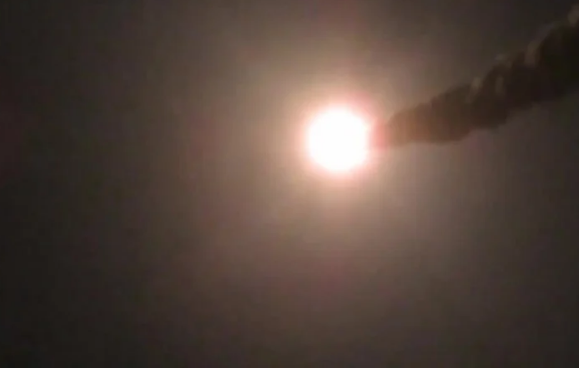
Qatar has sharply criticized a fresh round of Iranian missile strikes on its territory and some of its Gulf neighbors, calling the attacks a “dangerous escalation” in a growing conflict between Iran and the United States.
In a statement, Qatar’s Ministry of Foreign Affairs condemned the attacks “in the strongest possible terms,” noting that Iran had attacked Qatar, Jordan, the United Arab Emirates, Bahrain, Oman and Kuwait. In its latest salvo, the ministry said the new salvo posed a threat to regional security and stability.
Attacks are following days of exchanges between Iranian and US forces involving missile and drone strikes. Tehran had also restricted the passage of energy ships in the Strait of Hormuz, one of the world’s most important energy shipping lanes, and it had hit military sites that were connected to the United States throughout the Gulf.
The waterway will not be opened until the end of military interference by the United States in the region, Iran’s Revolutionary Guards said. But, US Central Command noted that commercial ships are still transiting through the strait in the wake of the escalating tensions.
The US military also revealed it attacked 140 Iranian military targets in the latest round of strikes, taking the number of targets it hit over three nights to 300 plus. The strikes were aimed at “deteriorating Iran’s capability to threaten commercial shipping and civilian vessels,” Washington said.
Iranian state media said there were explosions in various port cities after the attacks.
Tehran claimed it had attacked command and control centers and drone facilities in Jordan, a US radar facility in Kuwait, support platforms connected to a US aircraft carrier in Oman and military facilities in Qatar.
Three people, including a child, were injured due to falling shrapnel from the missile attack, said Qatari authorities. The UAE has indicated that its air defence systems shot down missiles and drones, and Bahrain had sounded its sirens as a measure to warn of possible threats. Jordan says three of the missiles fell within its borders, resulting in “minor property damage” and no deaths.
According to Oman’s state media, drone attacks were launched on targets in the Musandam region, but no casualties were immediately reported. India has also announced that one of its nationals was still missing after a commercial ship was attacked off the coast of Oman. The remaining 10 Indian crew were rescued.
The latest assaults have added pressure to the diplomatic moves to defuse the conflict. Qatar has served as a mediator between Washington and Tehran, but has previously said it will not be able to do that if its own territory is being attacked.
Also, the renewed fighting has fueled fears of global energy shortages. Ongoing turmoil near the Strait of Hormuz’s waters has driven up oil and liquefied natural gas prices, sparking concerns about new inflation and other economic implications.
Regional diplomatic contacts have also persisted in the face of the violence, and Iranian and Omani officials have held talks on maritime security and shipping arrangements. Pakistani authorities have also been holding on to talks to defuse the situation, but there is still no clarity on a permanent deal as the military operations are still ongoing.