Trade negotiations between the United States and Canada have collapsed, with new US tariffs on Canadian goods taking effect and Ottawa preparing matching measures in the latest escalation of tensions between the two countries.
US President Donald Trump’s 50% tariffs came into force on Saturday, affecting about $20 billion worth of Canadian imports, including hockey sticks, building materials, clothing, beer and cheese.
The tariffs had originally been scheduled to begin earlier in the week, but Trump delayed their introduction as negotiators from both countries worked to reach an agreement. Trump had indicated that progress was being made and said he had paused the tariffs because the two sides had reached a deal.
However, Canadian Prime Minister Mark Carney announced late Friday that negotiations were being suspended because the discussions had failed to meet Canada’s objectives.
Carney said Washington had introduced last-minute changes that he considered “unfair” and “uneconomic” and which raised concerns about the reliability of any future agreement.
Canadian negotiators were instructed to return to Ottawa.
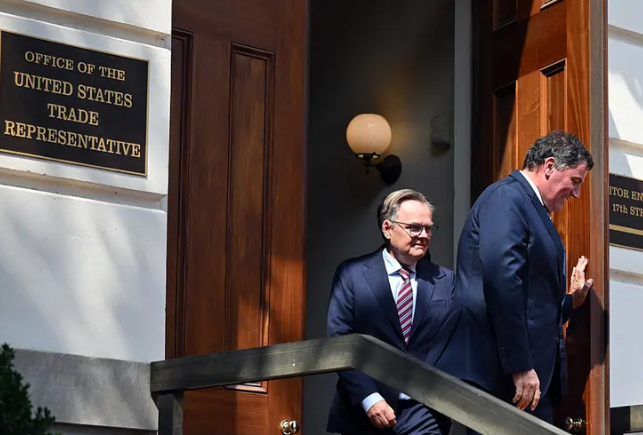
US Trade Representative Jamieson Greer gave a different account, accusing Canada of refusing to finalise terms that had been agreed earlier in the week. He said new Canadian demands and reversals had disrupted the balance reached during negotiations and described the outcome as a missed opportunity.
Carney responded by announcing dollar-for-dollar tariffs on US products beginning September 8. The measures will target industries including steel, dairy, appliances, agricultural equipment, pulp and paper and electronics.
“We cannot accept what they have offered, and we will not give what they have asked,” Carney said.
Although the new US tariffs affect only about 5% of Canada’s annual exports to the United States, the collapse of negotiations has further strained a deeply integrated economic relationship.
Public opinion in Canada has also hardened. An Angus Reid Institute poll in July found that 65% of Canadians believed Ottawa should approach the United States cautiously, as a potential threat or as an enemy. A separate Léger poll this month found that 56% wanted the Canadian government to make no further concessions to Washington.
Relations between Trump and Carney have deteriorated since Trump returned to office. Trump has repeatedly suggested that Canada should become the 51st US state, while Carney has argued that Canada needs to reduce its economic dependence on its southern neighbour.
The two leaders have also traded personal criticisms during the negotiations.
With talks now suspended and retaliatory tariffs scheduled to begin in September, the dispute has moved beyond political rhetoric into a widening trade confrontation that threatens to increase costs and uncertainty for businesses on both sides of the border.