British businesses are facing the prospect of higher energy costs after wholesale gas prices surged following renewed fighting between the United States and Iran, raising concerns about fuel supplies through the strategically important Strait of Hormuz.
European gas markets reacted sharply after US President Donald Trump declared that the memorandum of understanding aimed at ending the conflict with Iran was “over.” The announcement came after a fresh round of US strikes on Iranian targets and retaliatory attacks by Tehran, including reported strikes on American bases in the Gulf. Attacks on commercial tankers near the Strait of Hormuz also heightened fears of supply disruptions.
The benchmark Dutch front-month gas contract at the Title Transfer Facility (TTF), Europe’s main gas trading hub, climbed about 5%, rising to €49 per megawatt hour and reaching an intraday high of €49.76, its strongest level since June 11. Britain’s front-month gas contract also increased, gaining six pence to 116.75 pence per therm.
The latest developments reversed weeks of easing energy prices. Wholesale gas and oil markets had stabilised during June after shipping activity gradually resumed through the Strait of Hormuz following earlier tensions. The renewed violence has quickly erased much of that improvement.
Although the United Kingdom imports relatively little liquefied natural gas (LNG) directly from Gulf countries, domestic energy prices remain closely tied to global markets. Any disruption to LNG shipments from major exporters such as Qatar can push up wholesale prices worldwide, affecting businesses and households across Britain.
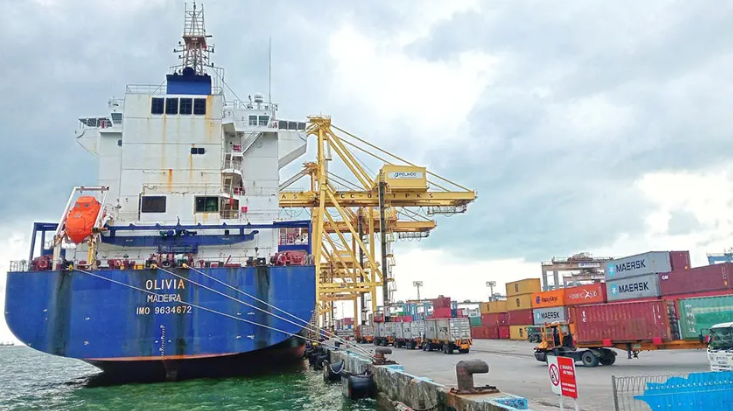
Industry analysts warned that the latest attacks have increased uncertainty surrounding global energy supplies. Reports indicated that a Qatari LNG carrier was damaged and awaiting salvage operations after a fire, while a Saudi crude oil tanker also suffered damage near the waterway. Maritime authorities have raised the security threat level for ships using the route.
Analysts at Engie EnergyScan said the attacks had revived concerns over supply risks, prompting traders to rebuild a risk premium into gas prices while shipping volumes through the Strait of Hormuz remain below normal levels.
The International Energy Agency has also warned that if normal shipping through the strait is not restored before October, global LNG supplies could experience their first annual decline since 2012. Such a development would coincide with rising winter demand across the Northern Hemisphere, a period when gas and electricity prices typically come under greater pressure.
The outlook is particularly significant for the UK, where natural gas continues to play a major role in electricity generation. Rising wholesale gas costs eventually feed into electricity prices paid by manufacturers, retailers, hospitality businesses and other energy-intensive industries.
With geopolitical tensions continuing to influence global energy markets, businesses are likely to monitor developments closely as they assess energy purchasing decisions and prepare budgets for the months ahead.