US and Pakistani officials have indicated that a long-discussed framework agreement aimed at ending hostilities involving Iran is close to being signed, though Tehran has cast doubt on the timing and domestic opposition has surfaced in Iran.
US President Donald Trump said on social media that the agreement was scheduled for signing on Sunday, which coincides with his 80th birthday. In his post, he also suggested that once the deal is finalised, the Strait of Hormuz would immediately be reopened to international shipping, calling it “open to all.”
Pakistan’s Prime Minister Shehbaz Sharif said both sides had agreed on the outlines of a peace framework and that Islamabad was preparing for an electronic signing, followed by technical negotiations in the coming days. He described the development as a significant step toward de-escalation.
Iran, however, did not confirm that any signing would take place on Sunday. Foreign Ministry spokesperson Esmaeil Baghaei had earlier urged caution on timelines, stating through Iranian state media that while progress had been made, “it will not be tomorrow,” adding that a signing could occur “in the coming days.”
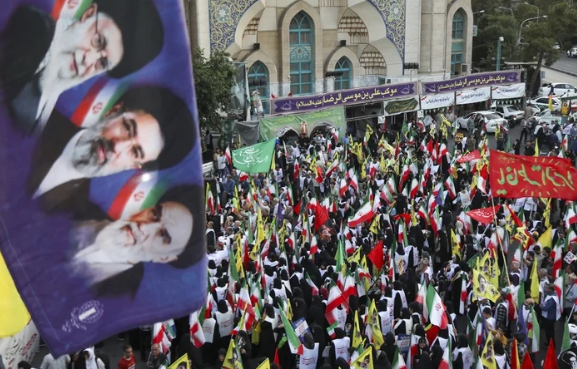
On the ground in Iran, hardline opposition to the emerging agreement has become more visible. Social media videos and reports from Iranian news outlets showed gatherings in Tehran where demonstrators criticised the proposed deal and blamed senior officials for engaging with Washington. Reuters said it was unable to independently verify the footage.
The proposed agreement comes after months of conflict that has seen strikes across Iran and heightened tensions in the Gulf region. The Strait of Hormuz, a critical route for global energy supplies, has been central to the dispute, with military activity and blockades disrupting shipping lanes.
US officials said that under the draft framework, Iran would reopen the strait while the US would lift its naval blockade. Washington would also release billions of dollars in frozen Iranian assets and ease sanctions on oil exports. In return, further negotiations on Iran’s nuclear programme would follow over a 60-day period.
A US official said the longer-term aim of the deal would include dismantling Iran’s nuclear capabilities and removing its stockpile of highly enriched uranium.
Iranian state media quoted Baghaei as saying that the release of frozen assets is a key component of the agreement, along with the possibility of Iran charging for services in the Strait of Hormuz. He also stated that foreign military bases in the region should be removed, although details were not provided.
Israeli strikes in Lebanon targeting Hezbollah and continued regional military activity have add