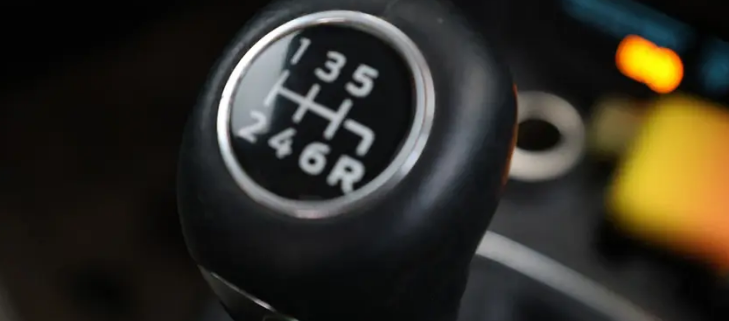
The familiar manual gear stick, once a defining feature of British motoring, is rapidly disappearing from new cars, with industry forecasts suggesting it will vanish from mainstream showrooms within three years. The decline of diesel engines is following a similar trajectory, marking a decisive shift in the UK’s automotive landscape.
According to analysts at Vehicle Data Global (VDG), the disappearance of manual transmissions is being driven less by consumer preference alone and more by economics. As electric vehicle adoption accelerates, manufacturers are increasingly focusing on automatic and single-speed drivetrains, reducing the incentive to invest in developing manual gearbox systems for a shrinking segment of buyers.
The 2030 ban on new petrol and diesel car sales is widely seen as a key milestone, but market trends indicate the manual gearbox could become rare well before that date. Industry data shows that only around 23% of new cars in the UK now offer a manual option, down sharply from roughly two-thirds a decade ago. Even among vehicles where both options exist, fewer than four in ten buyers now choose manual transmissions.
Diesel vehicles have also seen a steep decline. Fewer than 5% of new UK car registrations in 2026 are diesel, compared with about 50% just over a decade ago. Factors including emissions scandals, expanding clean-air zones, and the growth of hybrid and electric models have all contributed to its fall from favour.
Ben Hermer, operations director at VDG, said manufacturers are now reassessing whether it makes financial sense to continue producing manual variants at all. With only a small share of the market expected to remain by the end of the decade, he said the costs of maintaining manual gearbox programmes may no longer be justified.
Industry figures show the contraction clearly. Out of 292 new car models offered by major manufacturers, just 67 still include a manual version, down from 197 in 2016.
The shift has implications beyond consumer choice. For small and medium-sized enterprises operating vehicle fleets, the transition to automatics and electric vehicles will affect procurement strategies, driver eligibility policies, and long-term cost planning. Residual values for manual diesel cars are expected to weaken as demand declines and replacement parts become less common.
Driving licence trends are also shifting. In the UK, more than a quarter of driving tests are now taken in automatic vehicles, compared with under 7% a decade ago. While automatic-only licences are growing in popularity, they restrict drivers from operating manual vehicles, narrowing flexibility in certain markets.
Despite the decline, a limited number of manufacturers still offer manual options, including Dacia, Ford, Hyundai, Kia, Skoda, Volkswagen and Porsche, although several major brands have now fully moved away from manual production.
The combined effect of regulatory change, electrification and shifting consumer behaviour points to a structural transformation in the UK car market, with the manual gearbox increasingly confined to history.