Britain’s vending, coffee services and automated retail industry has evolved into one of the most dynamic segments of the UK economy, generating £3.78 billion in revenue in 2025, according to the latest Census & Market Report from the Automatic Vending Association (AVA).
The figure marks annual growth of 3.3% and places the sector 5% above its pre-pandemic 2019 level. It also positions the industry ahead of broader economic performance, with UK GDP growth recorded at just 1.4% over the same period. The sector now exceeds the combined output of the country’s biomass and hydroelectric power industries.
Small and medium-sized enterprises dominate the market, with traditional vending and office coffee services accounting for £3.13 billion of total revenue. Product sales rose 6.8% year on year to £2.28 billion, while operator revenues increased by 7%, with the majority expecting further expansion in 2026.
Performance across product categories showed broad-based growth. Cold beverages recorded a 15.4% increase, food sales rose 12.2%, snacks climbed 5.7%, and hot drinks grew 4.1%. The data suggests a sector that has moved beyond stagnation, with nearly every segment showing positive momentum.
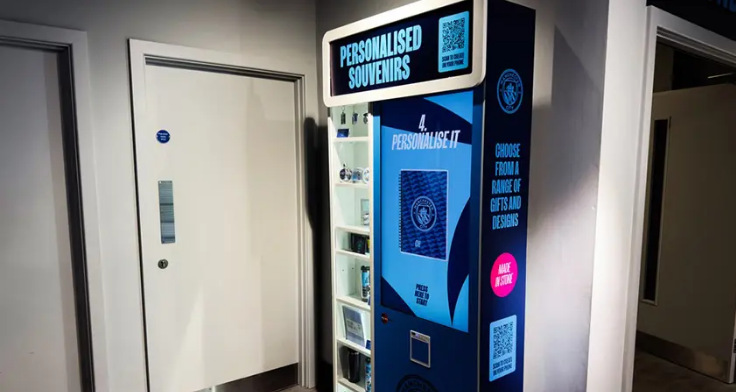
One of the fastest-growing segments is the standalone smart fridge category, which expanded by around 50% in a year to 2,850 units. These systems use contactless payment, sensors and tracking technology to allow automated retail without staffed checkouts. Operators say the format has been boosted by hybrid working patterns, which have reduced demand for traditional canteen services in offices.
Micro-market installations, which function as self-service convenience stores in workplaces, also grew by 8% to 785 sites, reflecting continued investment in unattended retail solutions.
Cashless payments now dominate the industry. Around 95% of machines are fitted with cashless technology, while 30% operate without cash entirely. Of all transactions, 84% are cashless, with mobile phone payments accounting for 62%, a sharp rise from 8% in 2017. Chip-and-PIN usage has fallen to just 3%.
Industry operators say the shift has significantly increased spending, with cashless customers spending on average twice as much per transaction as those using coins. Some forecasts suggest the gap may widen further if contactless payment limits are removed.
Premiumisation is also reshaping the market. The Coffee-to-Go segment generated £645 million across 33,200 machines, with the average cup priced at £2.89, compared with £0.56 for a standard vending drink. More machines now include bean-to-cup systems and fresh milk modules, reflecting rising demand for café-style products.
Health-related changes are also evident, with 80% of cold drinks now meeting low-sugar standards and single-use plastic cups largely phased out.
AVA chief executive David Llewellyn said the industry had “transformed rather than recovered” since the pandemic, driven by investment in technology and changing consumer expectations.
However, he warned that proposed government restrictions on high-caffeine energy drinks for under-16s could negatively affect operators, despite existing voluntary restrictions already in place.
As automation, cashless payments and workplace shifts continue to reshape demand, the sector is positioning itself as a steady growth area within the UK retail economy.