Minister for Transport Darragh O’Brien has confirmed that Ireland’s new electric vehicle scrappage scheme will apply only to new cars, describing the initiative as the “cleanest and quickest way” to accelerate the transition to electric transport through the new vehicle market.
The Government announced a €10 million pilot programme aimed at encouraging motorists to replace older vehicles with electric alternatives. The scheme, due to open for applications on 1 July, is expected to support around 2,000 vehicle purchases and will operate on a first-come, first-served basis. Sixty-five per cent of funding has been set aside for rural areas.
Under the scheme, eligible applicants will receive a €5,000 scrappage grant in addition to the existing €3,500 electric vehicle purchase incentive, bringing total support to €8,500 for qualifying buyers.
Speaking on RTÉ’s Morning Ireland, Mr O’Brien said he expects strong demand for the programme, noting that many households currently driving older vehicles are constrained by financial pressures. He added that the lead-in period before launch is intended to allow applicants time to prepare financing and consider their options.
He also confirmed that the initiative is part of a longer-term strategy running through to 2030, with funding already committed. While acknowledging that the scheme will not close the full affordability gap for electric vehicles, he said it represents “significant support” for those looking to make the switch.
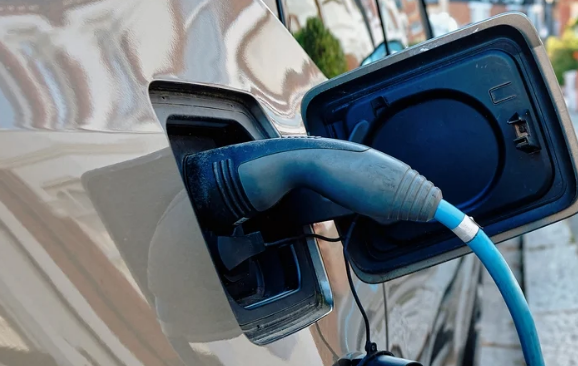
The Minister highlighted ongoing investment in charging infrastructure, particularly in rural regions, as a key part of the transition. The Government plans to allocate around €45 million this year to expand charging points nationwide, with the aim of improving coverage by approximately 30%.
Ireland currently has around 4,000 public charging points, compared with an EU average target of roughly 13,000. Mr O’Brien said the country is moving toward aligning with European standards but stressed that continued investment will be necessary over the coming years.
Climate and energy campaigners have broadly welcomed the scheme. Friends of the Earth programme co-ordinator Claire O’Connor described it as a “welcome intervention,” saying it supports efforts to reduce reliance on fossil fuels and address transport emissions, which remain one of Ireland’s largest sources of greenhouse gases.
She noted, however, that the focus on new electric vehicles may limit accessibility for lower-income households. She argued that stronger support for second-hand EVs would improve affordability and reduce resource consumption, while also making cleaner transport more accessible to a wider group of drivers.
O’Connor also emphasised that expanding EV uptake will depend heavily on charging infrastructure. Without sufficient public charging access, particularly in rural areas, she warned that consumer confidence in electric vehicles could remain limited despite financial incentives.
The scheme forms part of Ireland’s broader climate strategy as the Government seeks to accelerate the shift away from fossil fuel transport while addressing regional disparities in infrastructure.