Food prices in the UK could continue rising into 2027 as extreme heat and drought threaten supplies of fruit, vegetables and grain, the Food and Drink Federation has warned.
The trade body, which represents food and drink manufacturers, said unusually hot and dry conditions were already affecting British agriculture and could lead to reduced crop supplies and higher costs for manufacturers and consumers.
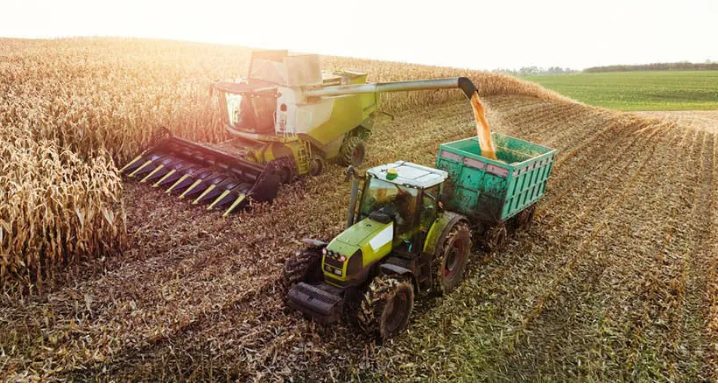
Supplies of several UK-grown products, including broccoli and cherries, have come under pressure. Poor grain harvests are also increasing the cost of animal feed, raising concerns that meat prices could rise as livestock producers face higher expenses.
The warning comes as Britain prepares for its fifth heatwave of the summer, with temperatures forecast to reach 38C on Thursday. More than two-thirds of England has been classified as being in drought this week.
Dr Liliana Danila, chief economist at the Food and Drink Federation, said the UK was experiencing one of its hottest and driest summers on record while other parts of Europe were also dealing with heatwaves and severe drought.
She said reduced agricultural supplies were increasing competition for ingredients and could push up production costs for food manufacturers. Companies have tried to absorb some of the additional expenses, but rising costs linked to conflicts in Ukraine and Iran have already placed pressure on the industry.
Retailers have reported higher food prices during the summer as extreme weather reduced harvest yields. Food inflation reached a peak of 19.2 per cent in 2023, adding significantly to household costs following Russia’s invasion of Ukraine.
The Bank of England also warned last month that a particularly strong El Niño weather pattern could bring hotter and drier conditions to several major agricultural exporting regions. Lower crop yields in those areas could place additional pressure on global food prices.
The impact is already being felt in parts of Britain’s livestock sector. The Agriculture and Horticulture Development Board said milk production had been affected by heat-stressed cows and poor grass-growing conditions.
Farmers are also facing growing financial pressure. NatWest has prepared plans to offer repayment holidays and overdrafts to more than 40,000 agricultural borrowers affected by difficult conditions.
Ian Burrow, NatWest’s head of agriculture, said farmers were increasingly dealing with extreme weather, ranging from flooding to drought. He said some livestock farmers were already using winter feed stocks because of poor grass growth.
Earlier harvests in some regions could also create cashflow difficulties, while limited feed supplies may add to costs for livestock businesses.
Analysts at Shore Capital have warned that repeated heatwaves could create one of Britain’s most serious food security challenges in decades if harvest losses continue.
With temperatures expected to remain high and drought conditions affecting large parts of England, food manufacturers and farmers are preparing for the possibility that the effects of this summer’s weather could continue to be felt by consumers well into next year.