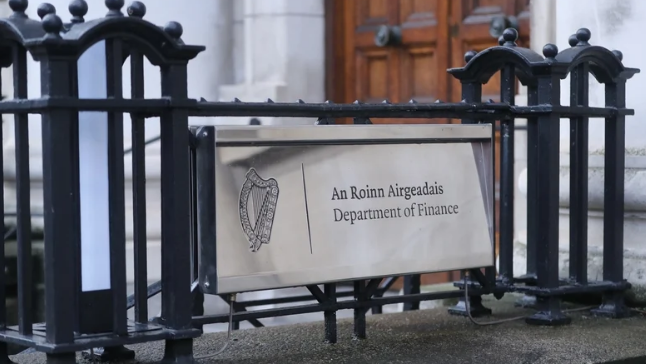
Ireland recorded an Exchequer surplus of €700 million during the first half of 2026, supported by solid income and corporation tax collections, according to the latest figures released by the Department of Finance.
Total tax revenue reached €50 billion between January and June, representing a modest increase of 1.2% compared with the same period last year. Excluding one-off receipts linked to the Apple tax settlement, overall tax revenue was €2.3 billion, or 4.8%, higher than the first six months of 2025.
Income tax remained one of the strongest sources of government revenue. Receipts totalled €18.6 billion during the first half of the year, rising 6.7% from the corresponding period in 2025, reflecting continued strength in employment and earnings.
Corporation tax also performed well, with June delivering €7.5 billion in receipts. Total corporation tax collected so far this year reached €13.7 billion, an increase of €600 million, or 4.7%, compared with the same period last year.
Consumer spending also continued to support public finances. Value-added tax (VAT) receipts increased by 2.3% to €12.5 billion during the first six months of the year.
Not all tax categories recorded growth. Capital taxes declined during the period, with stamp duty receipts falling by €31 million to €819 million. Capital gains tax revenue dropped by €60 million to €409 million, while capital acquisitions tax declined by €107 million to €161 million.
Government expenditure during the first half of 2026 totalled €61.4 billion, including both voted and non-voted spending. Gross voted expenditure reached €54.4 billion, an increase of €3.5 billion, or 6.9%, compared with the same period last year. Spending remained 1% below official forecasts.
Tánaiste and Finance Minister Simon Harris said the latest figures were consistent with government expectations and reflected the resilience of the public finances.
He also highlighted the government’s recent decision to extend temporary reductions in fuel excise duties, saying the measure would continue to reduce costs for motorists while allowing for a gradual return to normal tax rates over time in a fiscally responsible manner.
Public Expenditure Minister Jack Chambers said government spending continued to support essential public services and infrastructure. He said the administration would remain focused on ensuring public funds deliver measurable benefits while maintaining sustainable management of the state’s finances.
Economists noted that corporation tax remained a major contributor to revenue growth but cautioned that broader tax performance appeared more moderate. Daryl Hanberry, Tax and Legal Partner at Deloitte Ireland, said the overall 1.2% increase in tax receipts suggested growth outside corporation tax was relatively subdued.
He added that expected revenue from Ireland’s implementation of the OECD’s global minimum corporate tax rules, known as Pillar Two, had not yet appeared in the June figures and was expected to boost corporation tax receipts in July.
Hanberry also urged the government to strengthen support for domestic investment, noting that Ireland’s economy continues to rely heavily on multinational companies despite strong overall growth.