US President Donald Trump has reported earning more than $1.4 billion from cryptocurrency ventures in the past year, according to his 2025 financial disclosure, a figure that has renewed scrutiny over potential conflicts of interest as his administration continues to promote the digital asset industry.
The annual disclosure filed with the US Office of Government Ethics shows that companies linked to Trump generated nearly $800 million from World Liberty Financial, a cryptocurrency business he co-founded with his sons. The income includes more than $520 million from crypto token sales and over $250 million from the sale of ownership interests in the company.
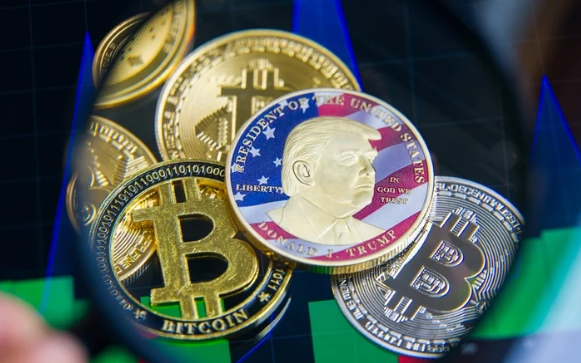
Trump also disclosed approximately $635 million in income from the sale of his Trump-themed meme coins, digital tokens featuring his image. Meme coins are cryptocurrencies largely driven by online popularity, social media attention and investor sentiment rather than practical utility.
Justin Urquhart Stewart, co-founder of Seven Investment Management, said Trump’s meme coin generated substantial revenue for the president but noted that many investors have suffered heavy losses.
He said the token’s value climbed to about $74 before falling to around $1.60, leaving many buyers with significant losses despite Trump’s reported earnings.
The disclosure highlights a dramatic shift in Trump’s position on cryptocurrencies. In 2021, before returning to the White House, he described Bitcoin as a “scam” and warned that cryptocurrencies could become “a disaster waiting to happen.”
By mid-2024, during his presidential campaign, Trump had embraced the sector, promising to make the United States the world’s leading cryptocurrency hub. Since returning to office, his administration has eased regulations affecting digital assets and introduced policies welcomed by the crypto industry.
World Liberty Financial announced in March 2025 that it would launch USD1, a US dollar-backed stablecoin designed to maintain a fixed value against the dollar. One of the company’s co-founders is Trump’s Middle East envoy Steve Witkoff, who has faced criticism over allegations that business and diplomatic activities have overlapped during visits to the Gulf region.
In May, an Abu Dhabi state-backed investment firm announced plans to make a $2 billion investment using the USD1 stablecoin, adding further attention to the company’s rapid expansion.
The White House rejected suggestions of any ethical concerns following the release of Trump’s financial disclosure.
Spokesperson Anna Kelly said neither the president nor his family had engaged in conflicts of interest and defended the administration’s support for the cryptocurrency industry, saying its policies were designed to benefit the American public.
Beyond digital assets, Trump’s disclosure also showed continued growth across his property portfolio. Revenue from his golf courses and resort businesses rose by 15% to more than $500 million last year. His Mar-a-Lago resort in Florida generated $77 million in revenue, while his Doonbeg golf resort in Ireland contributed nearly $20 million.
The latest disclosure highlights how the financial interests of modern US presidents have evolved. While former President Jimmy Carter placed his family peanut farm into a blind trust after his 1976 election to avoid ethical concerns, today’s presidential finances increasingly include global business holdings and rapidly expanding digital asset investments.