Investment confidence among British businesses has dropped to its lowest level since the end of the Covid-19 pandemic, with companies citing higher taxes and rising operating costs as major obstacles to growth, according to a new survey by the British Chambers of Commerce (BCC).
The BCC’s latest Quarterly Economic Survey found that only 17% of businesses plan to increase investment over the next three months, down from 21% in the previous quarter. The survey, which gathered responses from 4,744 businesses, is regarded as one of the UK’s largest independent measures of business sentiment.
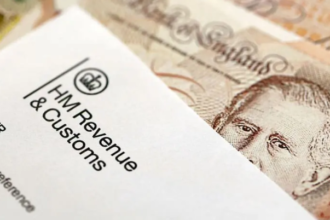
The findings point to growing caution among employers as they face mounting financial pressures. Businesses have been adjusting to higher National Insurance contributions introduced after Labour’s victory in the 2024 general election, alongside increases in the minimum wage and continued rises in energy and other operating costs.
Several respondents described the current environment as increasingly difficult. One business owner said firms were being “taxed out of existence,” while another reported that higher taxes, labour expenses and energy costs were restricting investment and limiting growth opportunities.
The slowdown in planned investment comes at a time when the UK economy continues to seek stronger productivity growth. Economists have long argued that weak business investment has been a persistent challenge since the 2016 Brexit referendum, contributing to slower long-term economic expansion.
David Bharier, Deputy Director of Economics and Insights at the BCC, said government policies should be assessed according to whether they encourage businesses to invest, expand, recruit staff or increase exports.
He argued that every new policy proposal should be judged by its ability to support economic growth and improve confidence among employers.
There are signs that the debate over taxation remains active within government. Andy Burnham has recently suggested there could be scope for changes to tax policy within the limits of Labour’s election commitments. He has also voiced support for reducing VAT for the hospitality sector and reforming the business rates system.
Despite business concerns, the Treasury maintains that the government’s economic strategy is delivering positive results. A Treasury spokesperson said business investment remains above pre-election levels, inflation has eased more than expected and the UK recorded the fastest economic growth among G7 nations at the beginning of the year.
Inflation remains the biggest concern for many businesses. According to the BCC survey, 66% of respondents identified rising prices as their primary challenge during the past quarter, even as official inflation figures showed annual consumer price growth slowed to 2.8% in May and oil prices retreated from peaks seen during the Middle East conflict.
Business groups say the latest survey highlights the gap between official economic indicators and conditions experienced by companies on the ground. They argue that unless cost pressures ease and investment confidence improves, many firms are likely to postpone expansion plans, limiting the pace of the UK’s economic recovery.