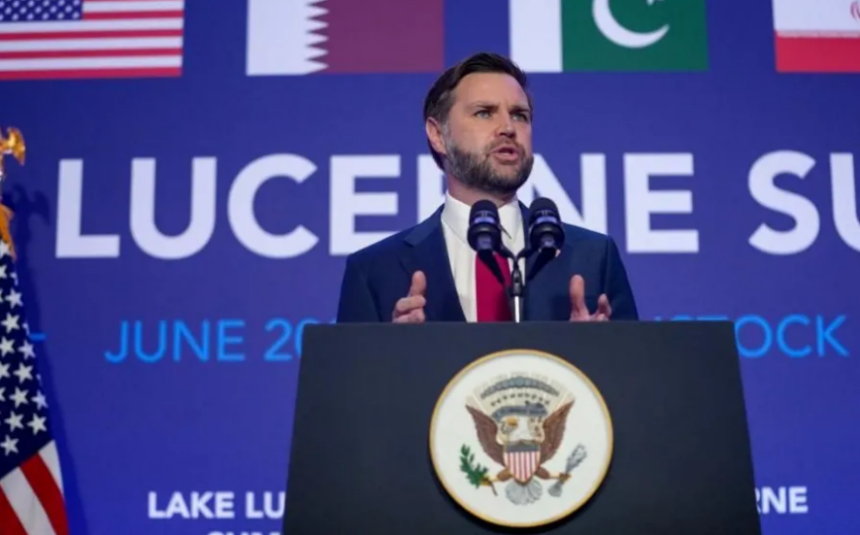
Iran has denied claims by US Vice-President JD Vance that it has agreed to allow international nuclear inspectors back into the country, contradicting statements made after the first round of talks between Washington and Tehran aimed at ending the ongoing conflict.
Following negotiations held in Switzerland, Vance said discussions with the International Atomic Energy Agency (IAEA) could begin “as soon as today” and suggested that inspectors would return to Iran in the near future. However, Iran’s foreign ministry rejected the assertion, telling state media that Tehran had made “no new commitments” regarding nuclear inspections.
The disagreement came as the United States introduced a temporary sanctions waiver, easing long-standing restrictions on Iranian oil exports. The 60-day measure allows Iran to sell crude and petrochemicals in US dollars for the first time in decades, while also enabling banking transactions, insurance coverage and direct shipments that had previously been blocked under sanctions.
A joint statement issued by mediators Qatar and Pakistan said the talks in the Swiss resort of Bürgenstock produced a “roadmap towards reaching a final deal within 60 days.” US officials described the discussions as constructive, with Vance calling them a “very good foundation” for further negotiations.
The US vice-president said the agenda included reopening the Strait of Hormuz and establishing mechanisms to prevent escalation in regional conflicts. Treasury Secretary Scott Bessent said the sanctions relief was tied to expectations that Iran would keep the strategic waterway open and resume cooperation with nuclear oversight mechanisms.
Despite these statements, Iranian officials maintained that any engagement with international inspectors would follow domestic legal frameworks. Foreign ministry spokesman Esmail Baqai said decisions on inspections would be made under “existing procedures set by Parliament and the Supreme National Security Council.”
US President Donald Trump, meanwhile, stated on social media that Iran had agreed to allow “major weapons inspections,” though Iranian officials rejected that claim. Trump also warned that the US would act if Iran failed to comply with future agreements.
The dispute comes after Iran suspended access for IAEA inspectors to facilities damaged during previous strikes by Israel and the United States, leading to the withdrawal of remaining monitors last year. A 2015 nuclear agreement had previously allowed inspections under a broader international framework, but the US exited the deal in 2018 under Trump’s first administration.
Mediators also announced the establishment of communication channels to prevent maritime incidents in the Strait of Hormuz and a separate “de-confliction cell” involving the US, Iran and Lebanon aimed at reducing regional military tensions. Iranian Foreign Minister Abbas Araghchi said developments in Lebanon would serve as an early test of the emerging diplomatic process.