Electronic Arts (EA), one of the world’s largest video game publishers, has officially completed its acquisition by a consortium led by Saudi Arabia’s Public Investment Fund (PIF), alongside Silver Lake and Affinity Partners, in a deal valued at approximately $55 billion.
The transaction, which closed on Tuesday, sees EA shareholders receive $210 in cash for each share. Following the completion of the acquisition, the company’s common stock ceased trading and will be delisted from the Nasdaq stock exchange.
The buyout was first announced on September 29, 2025, and received shareholder approval during a special meeting in December. Industry analysts have described the transaction as the largest leveraged buyout ever completed. The consortium contributed around $36 billion in equity while financing an additional $20 billion through debt arranged by JPMorgan, with the borrowing remaining on EA’s balance sheet.
The acquisition ranks as the second-largest deal in the video game industry, behind Microsoft’s $69 billion purchase of Activision Blizzard.
EA Chairman and Chief Executive Andrew Wilson will remain in charge of the company. He said the publisher was entering “the next chapter from a position of strength” alongside investors who shared its long-term vision for growth.
Turqi Alnowaiser, Deputy Governor and Head of International Investments at PIF, said entertainment and sports remain strategic sectors for the Saudi sovereign wealth fund, which manages assets exceeding $900 billion.
Affinity Partners Chief Executive Jared Kushner also welcomed the completion of the deal, describing EA as a company whose games, characters and communities have become part of everyday life for hundreds of millions of players worldwide.
The acquisition has prompted debate within the gaming industry over how EA will manage the significant debt associated with the transaction. Some analysts have suggested the company could face pressure to reduce costs, increase monetisation of its games or undertake further restructuring.
EA generated approximately $7.5 billion in net revenue during the financial year ending March 31, 2026. Its latest major release, Battlefield 6, sold more than seven million copies within its first three days on sale, setting a new record for the franchise. Despite that commercial success, the company later announced job cuts affecting teams involved in the title.
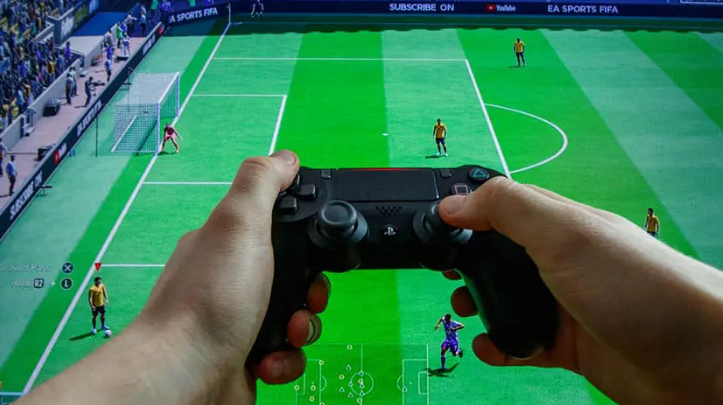
Analysts also see strategic value in the purchase beyond financial returns. EA owns globally recognised sports franchises and maintains licensing agreements with around 20,000 professional football players, 750 clubs and 35 leagues, giving the new owners access to one of the largest sports gaming ecosystems in the world.
The transaction also expands Saudi Arabia’s investments in sports and entertainment, which already include ownership stakes in Newcastle United, clubs in the Saudi Pro League and major esports events. Those investments have drawn criticism from human rights organisations and advocacy groups, which argue they are designed to improve the kingdom’s international image.
Some gaming advocacy groups have also expressed concerns that future creative decisions could be influenced by the ownership structure, particularly regarding themes involving free expression and LGBTQ+ representation. Saudi officials have consistently rejected accusations that overseas investments are intended to distract from criticism of the country’s human rights record.