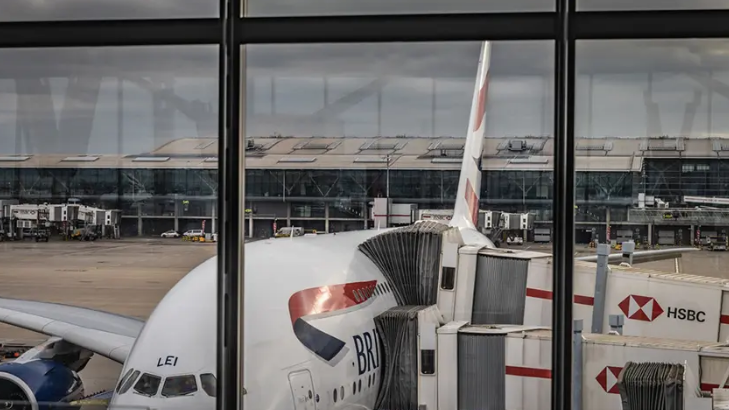
British families booking summer holidays could face higher airfares after Treasury officials reportedly explored plans to impose VAT on airport charges, a move airlines and airports have condemned as a stealth tax on passengers and exporters.
The proposal, being developed within HM Revenue & Customs, would apply the standard 20% VAT rate to fees airports charge airlines for use of runways, terminals and ground services. These charges are typically passed directly into ticket prices, meaning travellers would ultimately absorb the additional cost.
At Heathrow, where per-passenger charges are currently around £24, the measure could add nearly £5 to the cost of each ticket before other aviation taxes such as Air Passenger Duty are applied. APD itself already ranges from £15 to £106 depending on distance and class of travel, with rates rising again from April following earlier budget decisions.
Industry sources say the most controversial element under consideration is the possibility of retrospective application, potentially stretching back four years. That would allow the government to raise up to £1bn from Heathrow alone, with broader airport revenues suggesting a total yield exceeding £1.5bn if applied across the sector.
Airlines UK described the idea as an additional burden at a time when households are already under pressure. “The UK is already one of the most overtaxed aviation markets in the world,” a spokesperson said, warning that higher costs could undermine competitiveness and push routes towards European hubs.
The timing has added political sensitivity, coming as Chancellor Rachel Reeves sets out a series of cost-of-living measures aimed at easing pressure on households. Earlier this week, she announced a temporary reduction in VAT on attractions such as theme parks, cinemas and museums, alongside targeted reliefs on energy-intensive industries and transport support for families during the summer period.
The contrast between consumer-facing tax relief and potential aviation tax rises has drawn criticism from opposition figures. Shadow business secretary Andrew Griffith said any additional levy on aviation would act as “a tax on doing business” and discourage growth.
Airports have also pushed back strongly. Heathrow has previously warned that the UK risks losing competitiveness to European rivals if aviation taxation continues to rise. The industry already contributes billions annually through Air Passenger Duty and other charges, with the Office for Budget Responsibility forecasting APD revenues could reach £5bn a year by the end of the decade.
Analysts say introducing VAT on airport charges could also raise legal questions, as international aviation agreements typically exempt air fares from VAT treatment. Heathrow is understood to be seeking specialist tax advice as discussions continue.
For small and medium-sized businesses, the impact could extend beyond leisure travel, increasing costs for overseas trade, logistics and business trips. Airports and airlines argue that any rise in charges would quickly filter through to fares, affecting both consumer demand and commercial mobility.
A government spokesperson said there were no formal plans to change tax rules in this area, stressing that HMRC regularly engages with industry on existing arrangements.
Despite that reassurance, the aviation sector remains on alert, warning that even the prospect of new charges risks dampening confidence ahead of a crucial summer travel season.