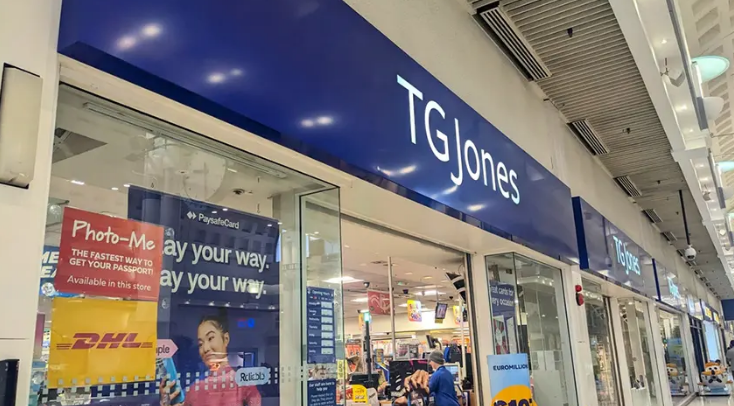
TG Jones, the rebranded high street chain formed from the former WH Smith retail estate, is facing severe financial strain with mounting unpaid bills and warnings that it could run out of cash before the summer.
According to a 214-page restructuring document circulated to creditors, private equity owner Modella Capital disclosed that the business is burdened with £3.4 million in unpaid business rates, £4 million owed to suppliers, and a deferred £8.4 million tax bill agreed with HM Revenue & Customs. Combined, the liabilities total nearly £16 million, placing significant pressure on the retailer’s operations.
The document also confirmed that TG Jones has begun receiving demand letters and legal summonses from local authorities over unpaid rates. Modella warned that, without immediate funding or negotiated settlements, enforcement action including bailiff intervention or winding-up proceedings could follow.
TG Jones was created after Modella Capital acquired WH Smith’s 450 high street stores earlier this year. The deal required the removal of the WH Smith branding, resulting in the introduction of a new name that has struggled to gain recognition or customer loyalty.
One landlord described the rebrand as damaging to the business, stating that the loss of WH Smith’s established identity had led to a sharp decline in footfall. Others have criticised the remaining store portfolio as weak and lacking clear retail direction.
In response to declining performance, Modella has requested sweeping concessions from landlords, including rent holidays of up to three years for more than 120 stores and reductions of between 15% and 75% across other locations. The company has warned that without agreement, it will be unable to continue trading beyond June.
The restructuring plan has drawn criticism from MPs and industry observers. Justin Madders, a member of Parliament’s business and trade committee, accused the ownership structure of shifting risk onto taxpayers and local authorities while protecting private financial interests. He raised concerns over internal licensing fees within the group, which require TG Jones to pay for use of its own newly created brand identity.
Retail analysts have also questioned the viability of the turnaround strategy. Industry experts note that books and stationery, traditionally a core part of WH Smith’s offering, have remained strong-performing retail categories, suggesting that broader market conditions may not fully explain the chain’s decline.
Internal warnings from management indicate that up to 150 stores could close as break clauses are triggered, leading to significant job losses.
Creditors are due to vote on the restructuring plan in late June, with a High Court hearing scheduled shortly afterwards to determine its approval. Meanwhile, landlords and suppliers continue to weigh their options as financial pressures intensify across the chain.