Vauxhall, one of Britain’s longest-established carmakers, is set to use Chinese-engineered components in its vehicles for the first time in its 122-year history, marking a major shift in strategy as the industry grapples with rising costs and intensifying global competition.
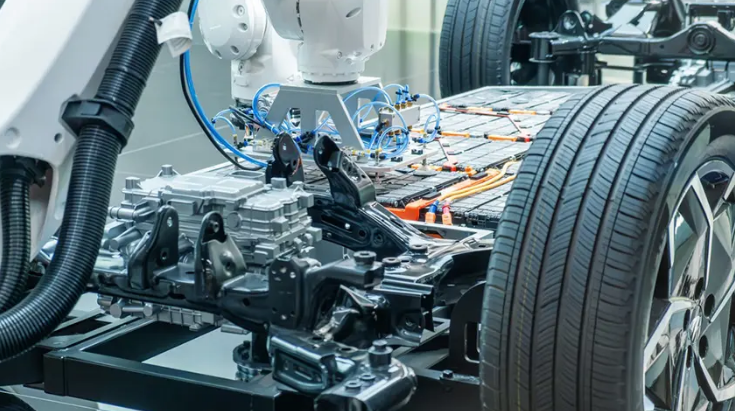
Parent company Stellantis confirmed that electric motors, battery systems and key powertrain technology supplied by Hangzhou-based Leapmotor will feature in a new Vauxhall C-SUV model scheduled for release in 2028. The vehicle will be aimed at family buyers and positioned as a more affordable electric option for the mass market.
The move represents a significant departure for a brand that has produced vehicles in Britain since 1905, with deep manufacturing roots in Luton and Ellesmere Port. It also signals how far European carmakers are moving toward cooperation with Chinese manufacturers as they struggle to match their pace in the electric vehicle sector.
Stellantis, which acquired a €1.5 billion stake in Leapmotor in 2023, is expanding its partnership further by integrating Chinese technology into its European production network. The company also plans to utilise plants in Spain to support manufacturing of Leapmotor-related models, extending production beyond China for the first time.
Chief executive Antonio Filosa described Leapmotor as a “trusted peer” and framed the partnership as a way to deliver “world-class manufacturing of electric vehicles at affordable prices” for European customers. He added that the collaboration reflects the need to respond to changing market conditions and consumer demand.
The decision comes after Stellantis admitted earlier this year that its rapid shift toward electrification had been misjudged, leading to weaker-than-expected sales and a €22 billion write-down. Industry analysts say the company is now adjusting course in response to stronger-than-anticipated competition from Chinese EV manufacturers.
Chinese brands, including Leapmotor, BYD and others, have gained significant traction in Europe by offering competitively priced electric vehicles with advanced features. According to industry data, more than a quarter of electric vehicles sold in the UK are now produced in China.
The Vauxhall C-SUV will be assembled in Zaragoza, Spain, while related Leapmotor models will also be produced in Madrid. Stellantis said British engineers will continue to oversee design, ride quality and interior development to preserve Vauxhall’s identity.
Leapmotor founder Zhu Jiangming said the partnership combines advanced technology with Stellantis’s global distribution network, allowing rapid international expansion.
The development underscores a wider shift in the global automotive industry, where partnerships with Chinese manufacturers are increasingly seen as essential to maintaining competitiveness in the electric vehicle market.