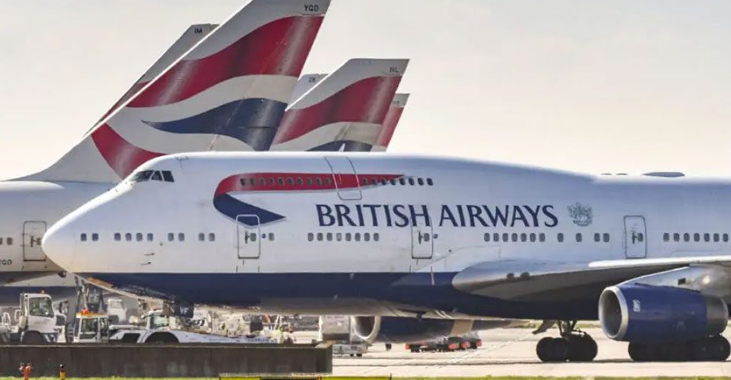
nternational Airlines Group (IAG), the parent company of British Airways, has warned that the war in Iran is expected to add around €2 billion to its fuel bill this year, as surging oil prices driven by disruption in the Strait of Hormuz reshape the airline’s cost outlook and temper profit expectations.
The FTSE 100-listed aviation group, which also owns Iberia, Vueling and Aer Lingus, said total fuel costs are now forecast to rise to about €9 billion in 2026, up from €7 billion last year. The increase follows sharp volatility in global oil markets after the conflict led to significant disruption in one of the world’s most critical energy shipping routes.
Despite the financial hit, chief executive Luis Gallego sought to reassure investors that the company remains in a strong operational position. He said IAG’s supply strategy and fuel arrangements provide a buffer against immediate shortages.
“We currently see no issues with fuel availability in our main markets, particularly as we benefit from the strength of our supply chain, stocks and particularly our self-supply arrangements at our key hubs,” he said. “We are confident in fuel availability through the summer.”
The group confirmed it will continue with its €1.5 billion share buyback programme, signalling confidence in its longer-term outlook even as near-term earnings come under pressure.
The airline’s first-quarter results showed resilience before the full impact of the conflict was felt. Revenue rose nearly 2% to €7.1 billion, while pre-tax profit surged 77% to €351 million, driven by strong demand for premium travel across transatlantic routes, which remain a key profit engine for the group.
IAG said it had hedged around 70% of its fuel needs for the remainder of the year, using a combination of forward purchases and financial instruments to reduce exposure to spot market volatility. However, it cautioned that this protection would diminish over time if elevated prices persist.
While the first quarter was largely unaffected by the Middle East conflict, the airline warned that the impact on costs would become more pronounced in the months ahead as higher fuel prices filter through its operations.
The company also revised down its profit expectations for the year, with analysts now expecting weaker earnings growth than previously forecast. Prior projections had pointed to up to 10% growth in 2026 operating profit following a strong 2025 performance.
Alongside fuel pressures, IAG noted softer demand in parts of the eastern Mediterranean and continued intense competition on short-haul European routes. Aer Lingus also faces increased capacity from US airlines on transatlantic services.
Despite the challenges, IAG said its diversified network, strong brands and premium demand base continue to provide resilience. However, the group acknowledged that the wider airline industry remains highly sensitive to geopolitical shocks and oil price swings, which continue to shape profitability across the sector.