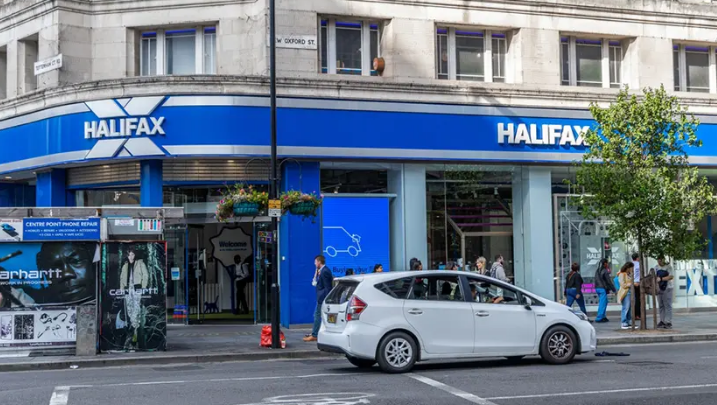
Lloyds Banking Group is reportedly preparing to retire the Halifax brand after 173 years, a move that would mark one of the most significant consolidations in British retail banking history.
The FTSE 100 lender, which also owns Lloyds Bank, Bank of Scotland and Scottish Widows, is said to be considering a phased transition that would migrate Halifax customers into Lloyds Bank. According to reports, new Halifax account applications could be paused as early as July, with the brand potentially ceasing to take on new customers by October. Lloyds has not confirmed any timeline and said there are “no changes for customers as of today,” adding that it regularly reviews how its brands operate within the group.
Halifax traces its origins to 1853, when the Halifax Permanent Benefit Building and Investment Society was founded in Yorkshire. It later became one of the UK’s largest building societies and, in 1997, carried out what was then the biggest mutual demutualisation in British history, converting 7.5 million members into shareholders. The brand was absorbed into HBOS following its 2001 merger with Bank of Scotland and later became part of Lloyds Banking Group during the 2008 financial crisis rescue.
Industry analysts have long questioned the sustainability of maintaining multiple overlapping retail brands within one group. Halifax and Lloyds often offer similar products, particularly in mortgages and current accounts, with differences largely reduced to branding and marketing. A consolidation would reduce duplication in technology, advertising, and operational costs while concentrating customer activity under a single flagship identity.
The potential change comes amid a wider retreat from high-street banking. Lloyds has already outlined further branch closures through 2026 and 2027, while more than 6,000 bank and building society branches have disappeared across the UK over the past decade, according to parliamentary research.
Consumer groups have repeatedly warned that the loss of branches and brand diversity risks reducing access to banking services, especially in smaller towns. Which? has argued that consolidation can leave vulnerable customers with fewer practical options for in-person banking support.
For Halifax customers, any transition is expected to be gradual, with account details such as numbers likely to remain unchanged. The group has also indicated that separate Financial Services Compensation Scheme protections would still apply where accounts sit across different banking entities within the group.
The move would place Lloyds alongside other UK banks streamlining long-established brands as digital banking accelerates and cost pressures intensify. Similar consolidation has already seen other historic high-street names absorbed or phased out in recent years.
If confirmed, the disappearance of Halifax as a standalone brand would mark the end of a defining chapter in British banking, closing a name that has been part of the financial landscape for more than a century and a half, while signalling a further shift toward simplified, digital-first banking structures.