British small and medium-sized enterprises working in the emerging aviation technology sector have received a major boost after the Government announced a £46.5 million investment to accelerate the rollout of commercial drones and flying taxis, alongside stricter enforcement measures to curb illegal drone activity.
The funding, confirmed by the Department for Transport on 5 May, is aimed at reducing regulatory delays that have slowed expansion in the advanced air mobility sector. Ministers estimate the wider industry could contribute up to £103 billion to the UK economy by 2050, supporting jobs across engineering, software development, manufacturing, and aviation services.
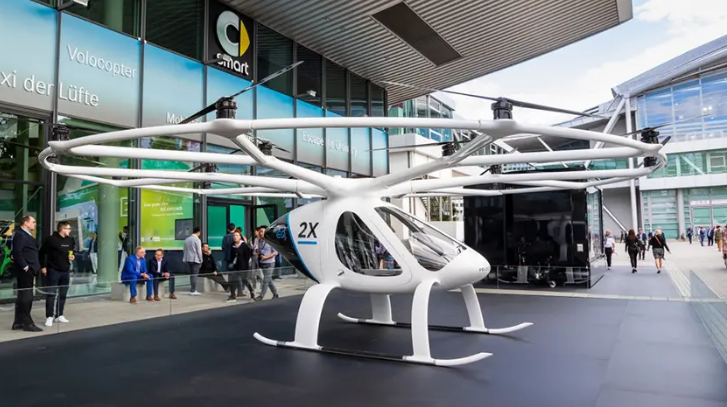
Of the total package, £26.5 million will be directed to the Civil Aviation Authority to speed up approvals for commercial drone operations. The focus includes applications in emergency response, medical deliveries, and infrastructure inspections, as well as preparing the regulatory framework for electric vertical take-off and landing aircraft, commonly known as flying taxis, which could begin operating in UK airspace from 2028.
A key part of the reform involves digitising the approval process to reduce administrative delays that have long been criticised by industry operators. Officials say this will make it easier for companies to scale up operations and deploy drone services commercially.
The remaining £20.5 million will fund a new drone identification system designed to improve airspace security. The technology will act as a “numberplate for the skies,” using Hybrid Remote ID to broadcast each drone’s identity and location in real time. Authorities, including police forces, will be able to track non-compliant operators and respond more quickly to illegal or unsafe flights.
Aviation, Maritime and Decarbonisation Minister Keir Mather said the initiative was designed to support innovation while strengthening public trust. He said the funding would “unlock barriers to growth” and help position the UK as a global leader in aviation technology, while ensuring safety systems keep pace with rapid technological change.
Security Minister Dan Jarvis highlighted the enforcement aspect of the programme, stating that the identification system would enable law enforcement to act against those breaking regulations and improve overall public safety in UK airspace.
Industry groups and regulators broadly welcomed the announcement. Sophie O’Sullivan of the Civil Aviation Authority said the investment would help enable routine drone services such as deliveries and long-distance inspections. She added that regulatory development was essential for unlocking economic growth and safe commercial expansion.
Companies in the sector also responded positively. Vertical Aerospace chief executive Stuart Simpson said the UK regulator had been a constructive partner in advancing electric air mobility. Windracers chairman Stephen Wright said the package combined funding and regulatory reform in a way that would allow autonomous aviation to operate at scale and strengthen supply chains.
The announcement forms part of a wider government strategy to position the UK as an aviation innovation hub, alongside funding for greener aircraft development and sustainable aviation fuel.