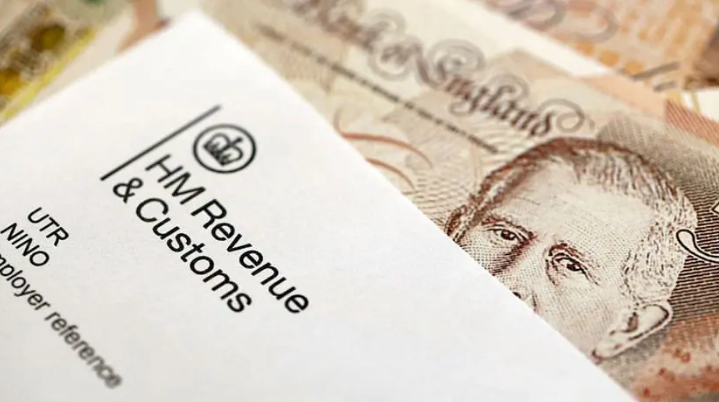
HM Revenue and Customs is reviewing around 45 million PAYE tax records as part of its annual check to identify workers who have paid too much or too little income tax.
The process, known as PAYE reconciliation, compares the tax deducted from an employee’s wages during the year with the amount they should have paid. HMRC has already started sending P800 tax calculation letters and will continue its checks until November 2026.
Workers who are due refunds are being prioritised. However, receiving confirmation that money is owed does not always mean the payment will automatically reach their bank account.
HMRC has changed the process for many people seeking refunds covering several tax years. Once a claim has been processed, some taxpayers must actively request the repayment.
The issue could affect a significant number of workers. More than 730,000 tax refunds went unclaimed last year, with the average repayment worth £855.
HMRC normally sends tax calculation letters between June and March of the following tax year, meaning people who have not yet received a P800 should not assume their tax records are accurate.
Umbrella workers urged to check records
Around 700,000 umbrella workers could be particularly vulnerable to tax errors because they often move between assignments and employers. Changes in jobs can result in tax codes being updated incorrectly or payroll records failing to reflect a worker’s circumstances.
HMRC advises umbrella employees to keep their payslips and compare deductions for income tax and National Insurance with the information held in their personal tax account.
Seb Maley, chief executive of Qdos, said workers who frequently change assignments should take particular care.
“Moving between assignments and PAYE employers means there can be more changes to keep track of,” he said.
Maley urged workers receiving P800 letters to check the calculations carefully and follow HMRC’s instructions when claiming money owed to them.
The reconciliation can also identify cases where too little tax has been deducted. In such circumstances, HMRC can generally recover the outstanding amount through PAYE, which may result in a reduction in take-home pay rather than a refund.
The process also comes amid concerns about tax-related scams. HMRC has warned that it will not ask taxpayers to claim refunds by responding to unsolicited text messages or emails.
Workers who receive unexpected messages offering to arrange a tax rebate should therefore treat them cautiously and use HMRC’s official channels to check their position.
The annual review is designed to ensure PAYE records are brought into line with the tax actually owed, but taxpayers are being encouraged to check their details rather than assume the calculations are correct.