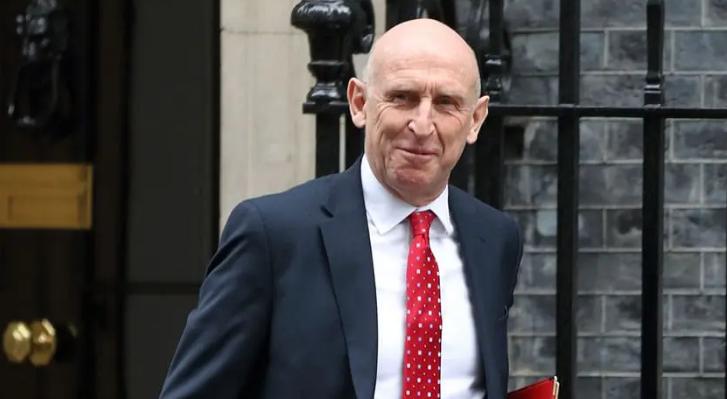
The UK government borrowed £1.8 billion in July, far more than expected, highlighting the financial pressures facing Chancellor John Healey ahead of his first Budget in October.
Figures from the Office for National Statistics showed that borrowing exceeded the £500 million surplus forecast by the Office for Budget Responsibility. Most City economists had expected the public finances to be broadly balanced.
July is normally a relatively strong month for government finances because it includes receipts from self-assessment income tax. Income tax receipts reached £17.1 billion during July, an increase of £1.7 billion from the same month last year. Total income tax receipts rose by £2.2 billion year on year to £38.6 billion.
Government borrowing for the financial year so far stands at £56.7 billion. That is £6 billion below the figure recorded at the same stage last year, helped by stronger tax revenues during the 2026/27 financial year. However, borrowing remains more than £2 billion above the OBR’s forecast.
The figures measure the difference between government spending and the revenue collected through taxes and other sources.
The UK’s public debt is now close to £3 trillion. According to the ONS, net debt stood at 94.1% of gross domestic product, although the ratio has fallen by almost one percentage point over the past year.
The latest borrowing figures come after a difficult week for UK government bonds. Gilt yields have increased as investors have sold sovereign debt globally, led by movements in US government bonds. Higher borrowing costs increase the amount the government must spend servicing its debt, with annual debt interest costs exceeding £100 billion since 2022.
Healey is due to present his first Budget on October 28. He has pledged to follow Labour’s fiscal rules introduced in 2024 and has ruled out increases to income tax, VAT and national insurance.
He said fiscal discipline was essential to economic stability and national security, while claiming the government was reducing the deficit faster than any other G7 economy.
Prime Minister Andy Burnham has also said a new Downing Street office in Manchester will take greater responsibility for economic growth, allowing the Treasury to focus more closely on managing public finances.
Economists believe Healey has limited room to make major spending commitments. Ashley Webb, UK economist at Capital Economics, said the deficit could remain above 4% of GDP for a seventh consecutive year.
He estimated that higher market interest rates may already have reduced the chancellor’s fiscal headroom from £24 billion in March to around £17 billion.
The combination of higher borrowing than expected, rising debt costs and limited room under the fiscal rules is likely to increase pressure on the Treasury before the October Budget. With the government committed to keeping the three main taxes unchanged, businesses will be watching closely for other measures that could raise revenue.