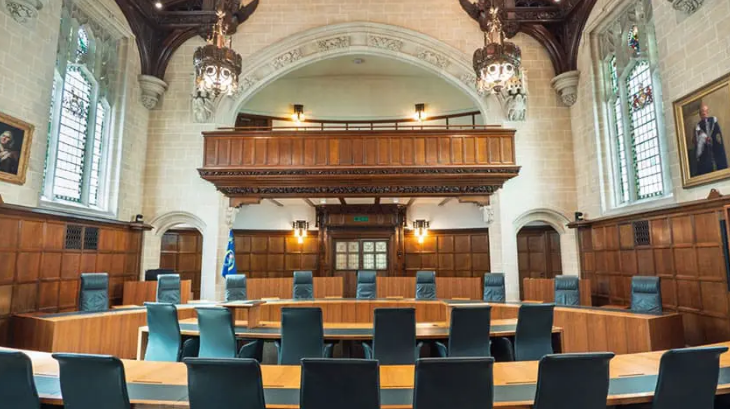
Meta smart glasses have been banned in England and Wales in court buildings and security officers will be asked to remove them on entry and return them when they leave.
His Majesty’s Courts and Tribunals Service (HMCTS), which regulates the criminal, civil and family courts, stated that the ruling was made due to the strict restrictions placed on photography and videoing within courts.
The use of Meta Glasses is banned because there are clear restrictions on taking images and videos in courts and tribunals, an HMCTS spokesperson said.
Smartphones will be permitted to remain in court premises with the proviso that they are not used to record proceedings. There are other use cases which the HMCTS has decided against implementing for smart glasses as their recording capabilities can be used without the wearer wearing them normally.
There are already restrictions on photography and recording in relation to court proceedings under UK law. Section 41 of the Criminal Justice Act 1925 bans the making of photographs, portraits and sketches of judges, jurors, witnesses and parties in court buildings and other locations. Unauthorised sound recording in court is also limited by the Contempt of Court Act 1981.
There are already questions concerning smart glasses in a UK court case. A claimant who was involved in a High Court dispute was earlier this year accused of using smart glasses to gain help when he was cross-examined. He denied the claim, saying the glasses were not linked to his cellphone.
The HMCTS ruling comes at a time when courts in New York state’s authorities are making a similar decision.
While wearing the Ray-Ban smart glasses, they can take photos and capture video. Meta claims that a small light is illuminated when the recording is taking place and that technology will not allow it to be covered.
This technology has also sparked greater privacy concerns as those around them might be unaware that they are being recorded.
The court ban underscores privacy issues stemming from wearable technology, said Clara Westbrook, a privacy expert with Arbor Law.
Although the glasses are smart, it could be impossible for people in offices, meetings and other public areas to be aware someone in smart glasses is recording them, she said. This film may include private information and raise problems under UK Data protection laws.
In some cases, recordings from a wearable device also might be subject to a data access request, Westbrook cautioned.
The Information Commissioner’s Office claims that organisations could have responsibilities regarding personal data held on an employee’s personal devices where the organisation is still accountable for that data.
The ban follows a rise of concerns in U.K. businesses and government over the applicability of current privacy and data protection laws for the rapidly expanding field of wearable technology. The first issue that courts will come across is whether unauthorised images and recordings are being made that may affect the fairness of the trial or the privacy of the parties.