The UK government has launched its first long-term strategy for the music industry, announcing a £45 million support package, business rates relief for live music venues and licensing reforms aimed at strengthening independent businesses across the sector.
The strategy, titled Turn It Up: Our Plan for Music, was unveiled by Culture Secretary Lisa Nandy and outlines measures designed to expand an industry that contributes at least £8 billion annually to the UK economy. The plan focuses not only on internationally known performers but also on the independent venues, promoters, record labels, managers and other businesses that help develop new talent.
At the centre of the initiative is the Music Growth Package, which has been increased to £45 million following an additional £15 million contribution from Arts Council England. The funding is expected to support more than 2,000 projects and benefit at least 40,000 artists and music professionals over the next three years.
The programme will also broaden eligibility for funding by allowing applications from mid-career artists, band managers, independent labels and music publishers, many of whom operate as small businesses or freelancers.
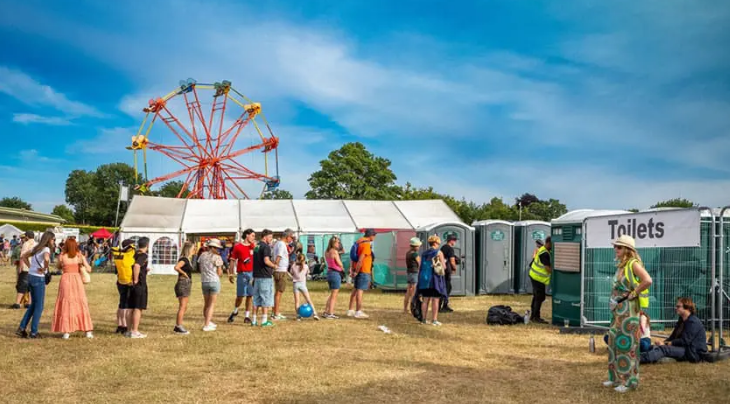
Festival organisers and live event operators are also set to benefit from changes to licensing rules. The government plans to increase the number of Temporary Event Notices permitted each year from 15 to 20, while the maximum number of event days will rise from 21 to 26.
In addition, new festivals will be eligible for licences lasting at least three years, while existing festivals can receive licences covering a minimum of five years. The government has also confirmed a 15% business rates relief for live music venues, with rates bills frozen for the next two years.
The Night Time Industries Association (NTIA), which represents clubs, bars and late-night entertainment businesses, welcomed the strategy after working with the government and UK Music during its development.
NTIA Chief Executive Michael Kill described the plan as an encouraging step that recognises music as one of Britain’s most valuable cultural and economic sectors.
He said the success of the industry depends on supporting every part of the music ecosystem, including artists, venues, festivals, promoters, clubs, DJs, producers, electronic music and the independent businesses that create opportunities across the country.
The positive response marks a shift in tone from the association, which recently criticised the government’s summer VAT measures as insufficient to address the challenges facing clubs and festivals.
Despite the new support, industry concerns remain. Research has warned that the UK’s night-time economy could lose around 10,000 businesses and 150,000 jobs by 2028 without further action, even as music tourism generated a record £11.2 billion for towns and cities across the country.
Kill said the commitments to invest in grassroots music, simplify festival licensing and support future talent represent important progress. He added that additional work will still be needed to secure the long-term future of venues, clubs and independent operators, but said the strategy provides a solid starting point for continued cooperation between government and the music industry.