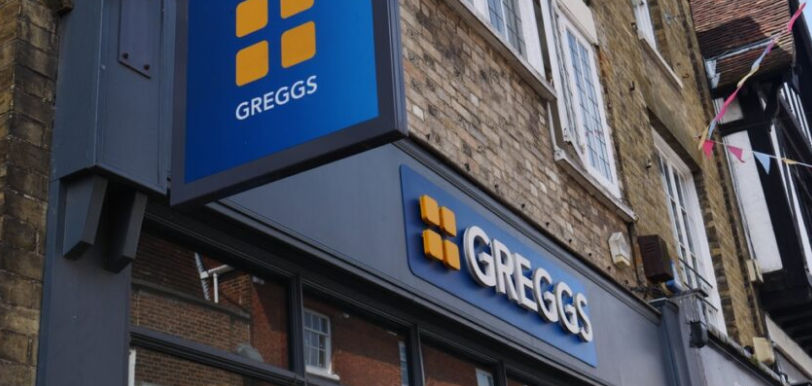
Britain’s appetite for sausage rolls and steak bakes is being reshaped by the rise of weight loss injections, according to Roisin Currie, chief executive of Greggs. Speaking as the bakery chain reported subdued profits, Currie said appetite-suppressing drugs, including GLP-1 treatments, are influencing both how much customers eat and the types of food they choose, contributing to softer sales and a cautious outlook for the year ahead.
Currie said customers are increasingly seeking smaller portions and foods with higher protein, fibre, and perceived health benefits. “There’s a broader health trend emerging,” she said. “People are demanding more protein, and we have to make sure we’ve got the snack products customers are looking for, particularly if they are using any of the GLP-1 drugs.”
Greggs has begun adjusting its menu in response, introducing smaller portion sizes and protein-rich items. The chain’s recent launches include an egg pot, promoted through the “eggs at Greggs” advertising campaign, aimed at appealing to customers using weight loss medication.
The shift marks a significant evolution for a brand long associated with indulgent pastries, cakes, and pasties. Greggs has previously acknowledged that changing dietary habits are pushing the company away from its traditional core offerings.
The trend extends beyond the bakery sector. Tesco said this week that healthier eating has driven growth in its fresh produce sales. Chief executive Ken Murphy said the retailer is monitoring the impact of weight loss drugs closely and already offers “GLP-1 friendly” products across multiple categories. “Our strongest source of growth this year has been fresh food,” Murphy said. “That is, by far and away, the best thing people can eat. We’re well set to respond to any shift towards healthier eating.”
Analysts suggest the influence of weight loss medications is now visible in consumer spending data. Clive Black, a consumer analyst at Shore Capital, said a slight dip in grocery volumes sold over Christmas compared with last year may be “the clearest indication yet” of how GLP-1 drugs are affecting the nation’s eating habits.
Industry experts caution, however, that weight loss injections are not the only factor behind shrinking portions. “Shrinkflation,” where product sizes are reduced while prices remain unchanged, has also played a role as manufacturers manage rising ingredient and labour costs.
Regulatory changes are also reshaping the food landscape. A UK-wide ban on junk food advertising before 9pm recently came into effect, part of the government’s effort to curb obesity levels.
For Greggs and other food retailers, the message is clear: Britain’s eating habits are changing, and companies that fail to adapt risk being left behind on the nation’s high streets.