The average age of cars on UK roads has reached an all-time high of nine years and 10 months, as cost-conscious drivers hold on to older vehicles amid rising prices and improved vehicle durability, according to new figures from the RAC Foundation.
The motoring research charity warned that while the extended life of petrol and diesel vehicles offers financial relief for households, it is slowing progress towards Britain’s net zero ambitions. Electric vehicle (EV) adoption remains sluggish, with fewer than 1.3 million battery EVs among the UK’s nearly 34 million licensed cars.
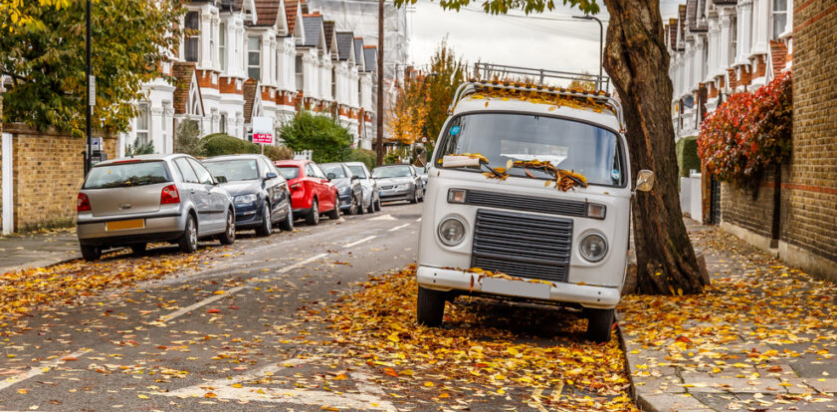
Analysis of DVLA data shows that the average age of cars has increased steadily from seven years and five months in 2015. Today, nearly 41% of vehicles are over a decade old. Petrol cars are the oldest on average at 10 years and four months, followed by diesel models at just over 10 years. By contrast, plug-in hybrids average just over three years, and battery EVs are the youngest at two years and six months, reflecting their newer market presence.
Steve Gooding, Director of the RAC Foundation, said the findings illustrate a worrying trend. “Even a 20-year-old car can be a reliable bargain these days, but that also means people are less inclined to trade up to electric alternatives,” he said. “This ageing fleet is a double-edged sword — good for household budgets, but bad news for the climate.”
The shift to zero-emission transport is further complicated by soaring new car prices. Data from Cox Automotive reveals the average cost of a new petrol vehicle has surged from £27,871 in 2013 to £45,218 in 2024 — a 62% increase that far exceeds the general inflation rate of 35% during the same period.
Experts attribute the price rise to growing consumer demand for larger vehicles, tighter environmental regulations, and the addition of advanced safety features like collision avoidance systems — all of which add to manufacturing costs.
As a result, the used car market remains strong. The Society of Motor Manufacturers and Traders (SMMT) reported that 7.6 million second-hand vehicles were sold in the UK in 2024, up 5.5% from the previous year. The Ford Fiesta continued to be the most popular used car, with over 300,000 units sold.
However, the SMMT cautioned that a healthy used car market depends on robust new vehicle sales — especially EVs — to ensure a future supply of affordable second-hand options.
To accelerate the transition, the SMMT has called on the government to cut VAT on new electric cars from 20% to 5%. “Price parity between electric and petrol cars is crucial,” the organisation said. “Without targeted incentives and infrastructure investment, widespread EV adoption will remain out of reach for many.”