UK unemployment is expected to rise to its highest level in five years in 2026 as previously announced tax increases begin to weigh on growth and hiring, according to new forecasts from the EY Item Club.
The forecasters said joblessness could peak at 5.2 per cent in the first half of the year, up from the current rate of 5.1 per cent and the highest since January 2021. Modest economic growth is being constrained by tighter fiscal policy and ongoing global uncertainty, the report added.
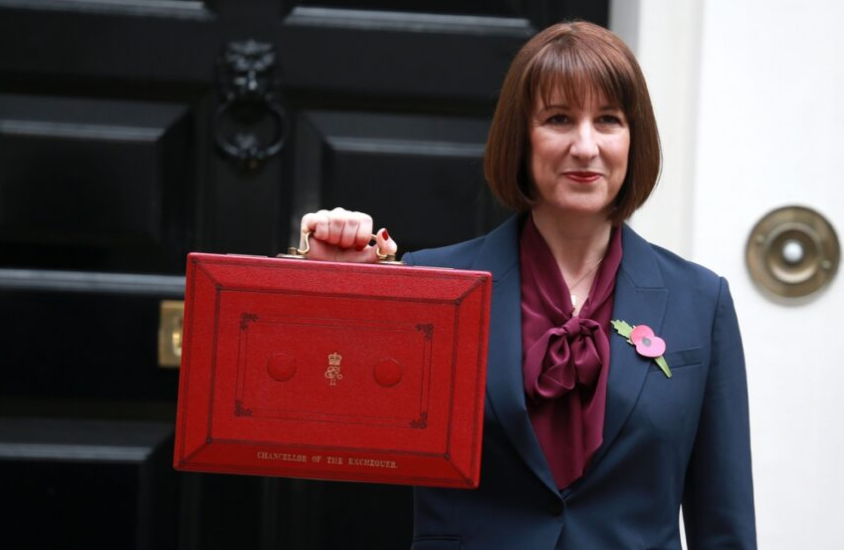
The EY Item Club highlighted that tax measures announced in Chancellor Rachel Reeves’ first Budget are set to have a more pronounced effect this year, dampening both consumer spending and business investment. Employers were already affected by a £25 billion rise in national insurance contributions last spring, which business groups warned could curb hiring.
Matt Swannell, chief economic adviser to the EY Item Club, said the effects of fiscal tightening are only now beginning to filter through the economy. “Further tax rises may not be expected in 2026, but previously announced measures will begin to raise revenues,” he said. “At the same time, the government will need to rein in borrowing and keep public spending broadly flat to meet its fiscal rules. This tightening of fiscal policy, alongside ongoing global uncertainty, is expected to drag on UK growth over the next year or so.”
Economic growth is forecast to remain subdued, with GDP expected to rise by just 0.9 per cent in 2026, slightly higher than the previous estimate of 0.8 per cent but still weaker than in 2025. Growth is projected to recover modestly to 1.3 per cent in 2027 and 1.4 per cent in 2028.
Reeves announced an additional £26 billion of tax increases in last November’s Budget. While many of these measures will not take effect for several years, the cumulative impact is expected to weigh on business and consumer confidence.
Global risks are also cited as a significant headwind. Trade tensions, tariffs, and uncertainty linked to former US President Donald Trump’s policies are expected to continue undermining private sector sentiment. Financial markets were unsettled in January after Trump tested NATO alliances and announced plans to nominate Kevin Warsh as the next chair of the Federal Reserve, contributing to volatility in currency and commodity markets. Concerns persist around inflation and public spending commitments in major economies, including Japan.
On monetary policy, the EY Item Club expects the Bank of England to hold interest rates steady at its upcoming meeting before cutting again in April. Rates were reduced four times in 2025, from 4.75 per cent to 3.75 per cent.
Despite weaker growth and rising unemployment, pay growth is expected to remain relatively resilient, with average salaries forecast to rise around 3 per cent in 2026. However, higher taxes and prices are likely to continue eroding household incomes, limiting improvements in living standards.
The outlook suggests that while a deep recession is not anticipated, the UK faces a period of slower growth and mounting pressure on the labour market as fiscal tightening intersects with global uncertainty.