The United Kingdom has unveiled one of its most extensive sanctions packages to date against Russia, aiming to cripple Moscow’s oil revenues and further isolate its wartime economy.
Chancellor Rachel Reeves announced 90 new measures on Wednesday ahead of meetings with global finance leaders in Washington, D.C. The sanctions target Russia’s largest oil producers, state-linked shipping fleets, and international companies accused of helping Moscow circumvent existing restrictions.
“We are sending a clear signal: Russian oil is off the market,” Reeves said, adding that the UK would “significantly step up the pressure on Russia and Vladimir Putin’s war effort.”
The new measures strike at the heart of Russia’s energy sector, blacklisting major oil firms Rosneft and Lukoil, which together export more than three million barrels of oil a day — about six percent of global supply. Rosneft, Russia’s biggest producer, generates nearly half of the country’s crude output and remains a crucial source of hard currency for the Kremlin.
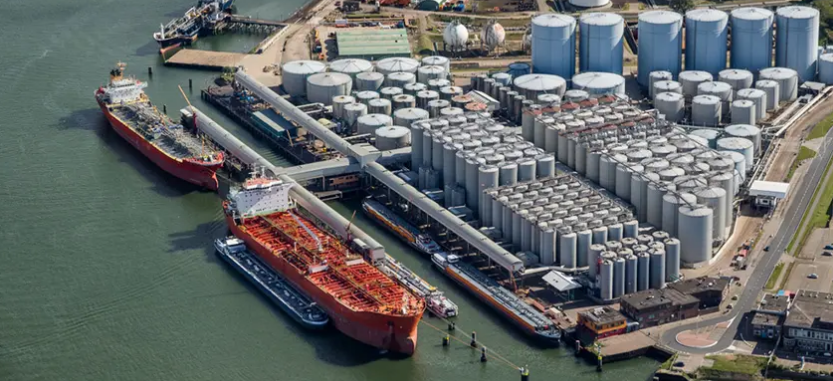
As part of the crackdown, the UK also sanctioned 44 tankers tied to Russia’s so-called “shadow fleet” — vessels that transport oil through complex ownership structures to evade Western oversight. Reeves said these ships “allow the Russian government to fund its illegal war” and that the UK was acting to “destroy that capability.”
In a move likely to raise tensions with key trading partners, London extended its sanctions list to include foreign firms accused of facilitating Russian oil sales. Among them is India’s Nayara Energy Limited, partly owned by Rosneft, which the British Treasury said imported 100 million barrels of Russian crude worth more than $5 billion in 2024.
“We are ramping up pressure on companies in third countries, including India and China, that continue to facilitate Russian oil exports,” Reeves said.
Beijing and New Delhi have become major buyers of discounted Russian oil since the G7 imposed a price cap and banned seaborne imports of Russian crude in 2022.
Foreign Secretary Yvette Cooper, who joined Reeves in Washington for the International Monetary Fund’s annual meetings, said the sanctions represented “another step towards a just and lasting peace in Ukraine, and towards a more secure United Kingdom.”
The G7 is also expected to debate a plan to use profits from frozen Russian assets — estimated in the hundreds of billions — to fund Ukraine’s reconstruction. The European Union is reportedly working on a mechanism to legally redirect those funds.
Earlier this year, Britain and the United States sanctioned Gazprom Neft and Surgutneftegas, extending restrictions to nearly all of Russia’s main energy producers. Washington has also hinted at additional penalties, including tariffs of up to 500% on Chinese goods linked to Russian oil trade.
The latest UK sanctions come amid warnings from the IMF of slowing global growth and rising geopolitical tensions, with the wars in Ukraine and the Middle East, as well as trade frictions between major economies, threatening global stability.