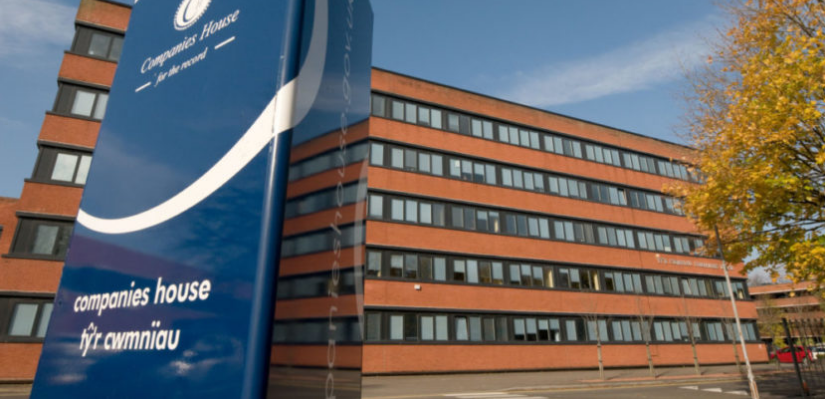
In a sweeping move to restore credibility to the UK’s corporate registry, Companies House has removed more than 10,000 companies from its official register as part of a crackdown on fraud, shell companies, and organised crime.
The mass purge follows the discovery of a network of just 30 entities behind the incorporation of up to 50,000 businesses suspected of facilitating illicit activities ranging from money laundering and tax evasion to property fraud. Conducted in collaboration with the Insolvency Service, the effort marks one of the most aggressive enforcement actions in the history of the UK’s company registrar.
Authorities have linked an estimated £50 million in UK property assets to organised crime groups through these shell companies. These assets are now under active investigation and are subject to potential recovery proceedings.
The crackdown comes amid a broader overhaul of corporate regulation in the UK. Over 100,000 shell companies formed in the past 20 years are now under scrutiny, with more entities facing dissolution as enforcement efforts intensify.
“This is a major step forward for corporate transparency in the UK,” said Meg Ogunsola, Global Director of Entity Management Solutions at Vistra. “Companies House deserves real credit for proactively targeting fraud and applying a level of scrutiny we haven’t seen before.”
Recent legislative changes have empowered Companies House with new authority to query, reject, and remove non-compliant or fraudulent companies from the registry. These reforms are now having a visible impact on the structure of the UK’s business landscape.
Further regulatory measures are expected later this year. From autumn, it will become mandatory for all company directors and persons of significant control (PSCs) to verify their identity before forming or maintaining a business. This is aimed at preventing the use of fake or hidden identities in corporate registrations.
Ogunsola urged companies to act swiftly: “The clock is ticking. Firms must ensure all relevant individuals complete identity verification before the autumn deadline.”
September will also see the introduction of a new “failure to prevent fraud” offence under the Economic Crime and Corporate Transparency Act. Under this law, businesses could face criminal liability if they fail to implement reasonable measures to prevent fraud committed by employees or associated persons.
The UK has faced sustained international criticism for enabling anonymous ownership through opaque company structures, especially in the property sector. This latest enforcement campaign signals a significant shift in tone and intent, as regulators work to close longstanding loopholes.
With Companies House now adopting a more assertive approach, the era of unchecked, anonymous corporate registrations may be coming to an end.