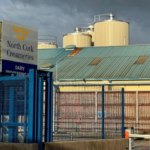
Some of the UK’s largest live-entertainment venues are set to face substantial increases in business rates next year, according to new analysis by global tax firm Ryan. Valuations for major arenas, including The O2 in London, Co-op Live in Manchester, Manchester Arena, First Direct Arena in Leeds, and Wembley’s SSE Arena, have risen dramatically for 2026, reflecting a surge in post-pandemic demand for live events.
Wembley Arena’s rateable value, for example, is projected to jump by 300%, while several other venues have seen assessments more than double. Ryan attributes these increases to the method used to value arenas. “Arenas are assessed under the Receipts and Expenditure method, meaning business rates are driven by income and operating performance rather than rental evidence,” said Alex Probyn, Practice Leader for Europe & Asia-Pacific Property Tax at Ryan. He explained that the previous 2023 rating list was based on trading conditions in April 2021, when most venues were still closed or restricted. The 2026 list reflects April 2024, a period of full reopening, resulting in sharp rises.
Although transitional relief in England will cap increases for large properties at 30% in 2026/27, with further caps of 25% plus inflation in the following two years, Ryan warned that cumulative liabilities over the three-year cycle could still be far higher. Next year alone, even with the 30% cap, several arenas will face significant cash increases: The O2 Arena, £1.85 million; M&S Bank Arena Liverpool, £507,825; Co-op Live, Manchester, £432,900; Manchester Arena, £386,280; First Direct Arena, Leeds, £199,800; and Utilita Arena Birmingham, £166,500.
Probyn urged venue operators to examine the Valuation Office Agency’s assumptions closely. “Transitional relief will soften the first-year impact, but bills can still more than double over the full cycle,” he said.
The increase comes as the live-entertainment industry continues to recover from the pandemic, with venues facing rising operational costs, tight profit margins, and uncertainty over consumer spending. Higher business rates are expected to put additional pressure on operators, just as investment in new tours, productions, and venue upgrades is accelerating.
The spike in valuations highlights the financial challenges ahead for the sector, with major arenas needing to plan carefully to manage the combined impact of higher rates, operational costs, and economic fluctuations. Operators are now weighing the effect of these changes on pricing, event scheduling, and long-term investments in a market that has seen strong demand for live music and entertainment since reopening.
The new rating list is due to take effect in April 2026, giving venues a limited window to prepare for the increased financial obligations and reassess their budgeting and investment strategies.