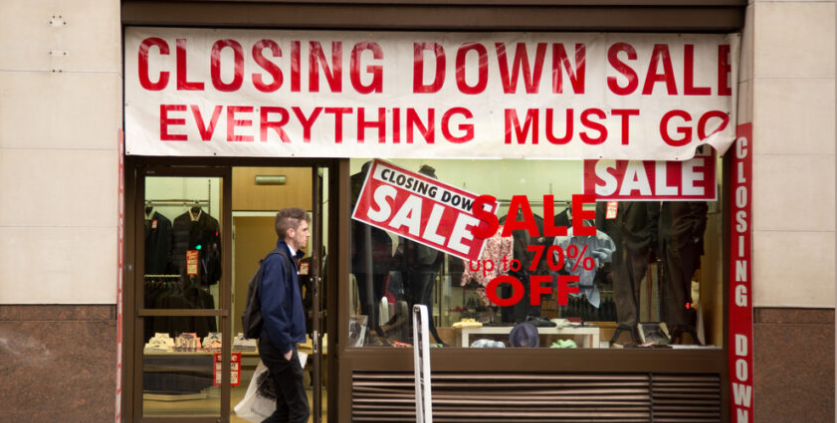
The number of UK companies entering insolvency fell sharply in June, offering businesses a temporary reprieve amid ongoing economic uncertainty. However, experts caution that the decline may be short-lived as structural pressures continue to threaten financial stability across key sectors.
Figures from the Insolvency Service show 2,043 registered company insolvencies in England and Wales last month—a drop of 8% compared to May and 16% lower than June 2024. While the numbers are encouraging, insolvencies in the first half of 2025 still outpaced those recorded in the second half of 2024, suggesting underlying vulnerabilities remain.
The June figures include 1,585 creditors’ voluntary liquidations (CVLs), 332 compulsory liquidations, 111 administrations, and 15 company voluntary arrangements (CVAs). There were no receivership appointments.
Paul Williams, Restructuring Partner at PKF Littlejohn, welcomed the decline but urged caution. “The fall in June is positive, but we mustn’t lose sight of the broader context,” he said. “Supply chain instability, geopolitical tensions, inflation, and recent changes to National Insurance contributions continue to place real strain on businesses.”
Williams emphasized that the drop “is far from a clean bill of health for UK plc,” advising firms to stay agile, monitor risks, and manage finances carefully.
The broader economic backdrop remains mixed. Inflation rose unexpectedly to 3.6% in June, squeezing margins—especially in sectors such as retail and hospitality—despite a modest 0.7% rise in GDP during the second quarter. Employment figures have also improved, pointing to some signs of resilience.
In her recent Mansion House speech, Chancellor Rachel Reeves reaffirmed the government’s commitment to driving growth through investment, deregulation, and reforms. But business leaders say the road to recovery is still uneven.
David Hudson, restructuring advisory partner at FRP, described the decline in insolvencies as a “glimmer of relief” but warned of further challenges ahead. “The hot summer has boosted footfall in hospitality and retail, but the foundations are still shaky,” he said. “Without a sustained recovery in consumer demand or a fall in input costs, many firms could be heading for trouble later in the year.”
Hudson added that some businesses have only survived by slashing costs and delaying key investments, which may not be sustainable over time.
With the next fiscal cycle approaching and inflationary pressures lingering, analysts say companies must remain vigilant. Financial advisers are urging businesses to closely monitor cash flow, reassess supplier contracts, and seek professional guidance early to avoid future distress.
While June’s figures provide temporary optimism, the consensus is clear: the challenges facing UK businesses are far from over, and the path to long-term stability will demand careful navigation.