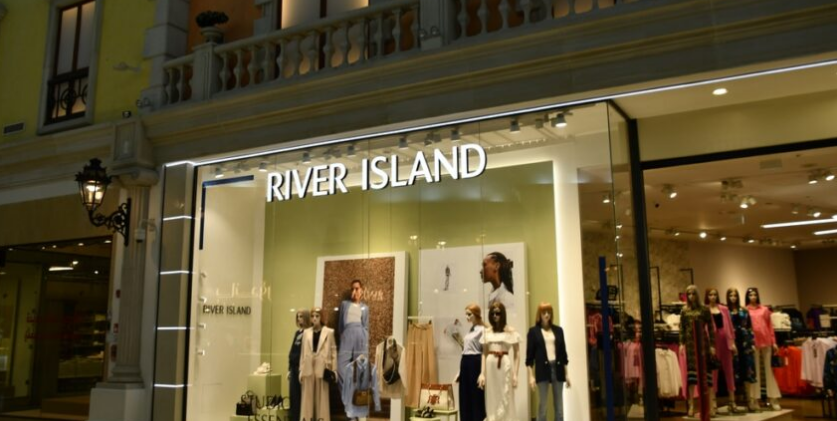
British high street retailer River Island has warned it could collapse by the end of summer unless landlords and creditors approve a proposed restructuring plan involving store closures, rent cuts, and emergency funding.
In documents shared with creditors, the fashion chain outlined a critical restructuring package first announced in June. The plan would see the closure of 33 underperforming stores, substantial rent reductions, and the injection of at least £10 million in new funding by September. A creditor vote and court hearing are expected in the coming weeks.
Without approval, the company said it may run out of cash by the end of August, leaving it unable to pay its debts. That scenario would likely lead to administration or other insolvency proceedings.
River Island attributed its financial difficulties to rising business costs and a continued shift in consumer behaviour toward online shopping, which has left much of its physical store estate out of step with demand.
“The store portfolio is no longer aligned with how our customers shop,” the company stated. “Rising costs and lower in-store footfall have put considerable strain on the business.”
The retailer, which operates over 200 stores across the UK, reported a £33.2 million loss in 2023, reversing a £2 million profit from the previous year. Sales fell 19% to £578.1 million, according to recent filings at Companies House.
Despite a brief sales boost in spring due to warmer weather, the company said it has faced prolonged challenges as consumers continue to cut back on discretionary spending amid ongoing inflationary pressures.
As part of the rescue plan, the Lewis family—River Island’s long-time owners—has pledged £40 million in new investment through their private vehicle. In addition, Blue Coast Capital, the retailer’s largest lender, has agreed to waive interest payments for a limited period and extend the repayment deadline on £270 million in loans from 2027 to 2028.
A River Island spokesperson said talks with landlords and other stakeholders had been “constructive” and expressed optimism about the vote. “We are confident that we will achieve approval of the plan in the next few weeks,” they said.
Earlier this year, the company launched a cost-cutting programme, which included redundancies at its London head office, affecting teams in buying and merchandising.
Founded in the 1940s and rebranded as River Island in the 1980s, the retailer has long been a fixture of British high streets, known for its trend-focused apparel aimed at younger shoppers. But it now joins a growing list of retailers—including Poundland and Wilko—struggling to survive amid a changing retail landscape.
Should the plan fail, River Island could become the next major casualty of a high street still reeling from post-pandemic shifts in consumer behaviour, rising operational costs, and economic uncertainty.