Retail sales growth in the UK slowed sharply last month as bad weather and mounting economic uncertainty prompted households to rein in spending ahead of the government’s November Budget.
Figures released by the British Retail Consortium (BRC) and KPMG showed that retail sales rose 2.3% year-on-year in the five weeks to October 4 — down from 3.1% in the previous period. Although the figure remained slightly above the 12-month average of 2.1%, the decline signals fading consumer confidence heading into the crucial Christmas trading period.
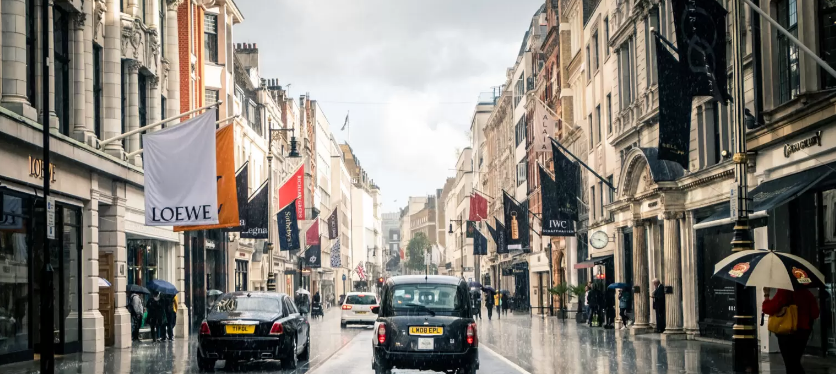
The slowdown came as Storm Amy battered much of Scotland and northern England, bringing heavy rain and winds that kept shoppers away from high streets and retail parks. At the same time, speculation about possible tax increases in Chancellor Rachel Reeves’s upcoming Budget added to financial caution among consumers.
“Rising inflation and the prospect of a taxing Budget is weighing on the minds of many households planning their Christmas spending,” said Helen Dickinson, Chief Executive of the BRC.
The latest BRC footfall report indicated that weather disruptions may have had an even greater impact than fiscal worries, with some shopping districts reporting double-digit declines in visitor numbers in early October.
Inflation remains persistently high at 3.8%, while food inflation has climbed to 5.1% — the highest level since January. These pressures have left households with less disposable income, prompting many to focus on essentials and delay larger purchases.
Food sales grew by 4.3% in the latest period, down from 4.7%, while non-food sales increased by just 0.7%, compared with 1.8% the previous month. Electronics sales were one of the few bright spots, boosted by the launch of Apple’s new iPhone 17 and Apple Watch, but demand for clothing and home goods remained weak.
“Consumers are trading down and prioritising necessities,” Dickinson said. “The Christmas period will be a critical test of confidence.”
Chancellor Reeves is expected to unveil a November 26 Budget that could include as much as £40 billion in tax rises, as the government seeks to rebuild fiscal stability amid sluggish growth and rising debt costs. Retailers remain cautious following last year’s Budget, which raised employers’ National Insurance contributions by £25 billion — a move that particularly impacted labour-intensive sectors like retail and hospitality.
Data from HMRC shows that around 150,000 payroll jobs have been lost over the past year, with many in consumer-facing industries.
Despite the overall slowdown, some spending categories showed resilience. Health, beauty, and small luxury items saw a 9% rise in sales, reflecting the so-called “lipstick effect,” where consumers opt for affordable treats during economic downturns.
Economists warn that retailers face a challenging festive season. However, early holiday promotions and major online events such as Black Friday may provide a short-term boost.
“Retailers are doing everything they can to deliver value and encourage festive spending,” Dickinson said. “But the weather and wider economic climate continue to weigh heavily on tills across the country.”
Stay informed with trusted political coverage here