Reform UK has called on Chancellor Rachel Reeves to overhaul the Bank of England’s money-printing programme, arguing the move could deliver a £20bn annual saving and ease pressure on Britain’s strained public finances.
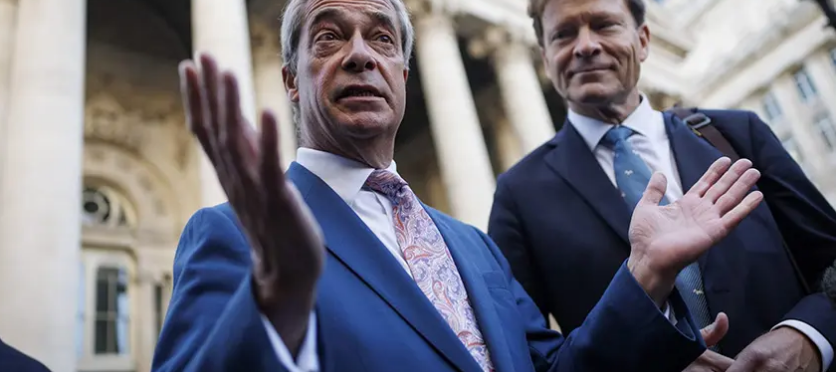
Deputy leader Richard Tice said the party had raised the proposal directly with Andrew Bailey, the Bank’s governor, during a meeting this week. Describing the talks as “civil, polite and courteous,” Tice confirmed that party leader Nigel Farage had also been present.
The debate centres on the Bank’s programme of quantitative easing (QE), under which it created £895bn to buy government bonds during the financial crisis and the pandemic. While the scheme generated £125bn in profits for the Treasury, it left the government liable for subsequent losses.
Those losses have soared since 2022 as interest rates rose and bond values fell. Under its current policy of “quantitative tightening,” the Bank is selling bonds at a loss, with costs to the Treasury estimated at £20bn a year.
Reform argues the Bank should halt these sales and pay less interest on the money created through QE, which it says would save taxpayers billions. “The Bank’s current approach is pushing up borrowing costs and unfairly burdening taxpayers,” Tice said. “If politicians gave the Bank a different steer, they could do it tomorrow.”
Pressure Builds Ahead of Budget
The intervention comes as Reeves prepares her first Budget in November, facing what economists warn could be a £30bn hole in the public finances. Forecast downgrades from the Office for Budget Responsibility are expected to leave her with difficult choices between spending cuts and tax rises.
Reform’s stance has found support from the New Economics Foundation (Nef), a left-leaning think tank. It described the Treasury’s current arrangement with the Bank as “toxic” for fiscal policy, arguing the central bank should absorb losses itself — as the US Federal Reserve and European Central Bank do.
“Nobody is suggesting monetary policy would be compromised,” said Nef economist Dominic Caddick. “Instead of billing the Treasury, the Bank of England could absorb its own losses. That would free £20bn for the Chancellor without undermining the Bank’s independence.”
Other policy groups have also weighed in. The Institute for Public Policy Research (IPPR) has suggested introducing a levy on commercial banks worth £8bn a year, alongside halting bond sales to save a further £12bn.
Reform has gone further by outlining how it would spend the savings: lifting the income tax personal allowance to £20,000 and cutting corporation tax.
With pressure mounting from both sides of the political spectrum, the Bank of England’s management of QE has become a flashpoint. How Reeves responds could shape the contours of November’s fiscal showdown.
Stay informed with trusted political coverage here