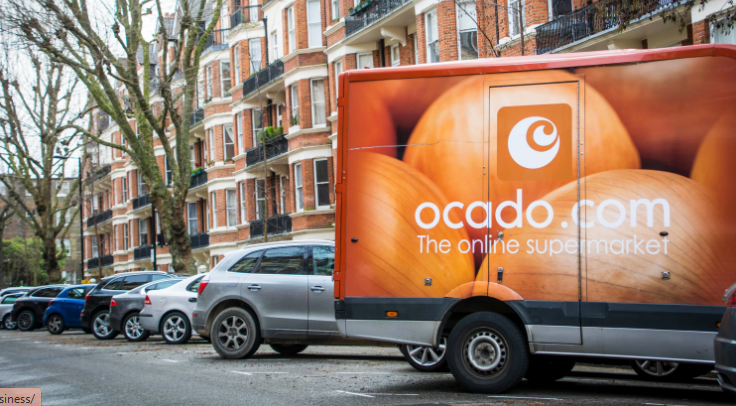
Ocado is preparing plans that could see as many as 1,000 jobs cut as part of efforts to control costs following a challenging year for its automated warehouse technology business. Sources familiar with the discussions said the reductions could affect up to 5% of the company’s global workforce, though talks are still at an early stage and no final decision has been made. An announcement could come as early as this month.
The bulk of the proposed redundancies are expected at Ocado’s UK head office, affecting technology roles alongside back-office functions such as legal, finance, and human resources. The move comes ahead of the group’s full-year results, due on 26 February. Last month, Ocado reiterated its aim to achieve positive cashflow in the next financial year, emphasising “rigorous cost and capital discipline.”
This follows a series of job reductions in recent years. In 2025, Ocado cut around 500 roles in technology and finance to reduce research and development spending, on top of roughly 1,000 redundancies across 2023 and 2024.
Founded in 2000 by three former Goldman Sachs bankers, Ocado sells robot-operated warehouse systems to global grocery chains, alongside its online grocery venture with Marks & Spencer. Investor confidence has been shaken after two major North American partners announced closures of several Ocado automated warehouses, known as customer fulfilment centres (CFCs), citing concerns over costs and efficiency.
Shares in the FTSE 250 group have fallen nearly a third over the past year. In November, US supermarket giant Kroger said it would close three CFCs, pushing Ocado’s share price back toward the 180p level at which it floated in 2010. Late last month, Sobeys revealed plans to shut a CFC in Calgary, Alberta, highlighting slower-than-expected growth in online grocery and limited regional demand.
While Ocado is set to receive hundreds of millions of pounds in compensation linked to these closures, analysts warn the setbacks could challenge the company’s ability to secure new international deals. Mutual exclusivity agreements with most retail partners expired in December, raising concerns about the long-term pipeline for its technology.
Ocado founder and chief executive Tim Steiner has previously described the company as the “Tesla of grocery.” Despite its technological ambitions, the group has yet to post a profit. Pre-tax losses narrowed slightly last year to £374.5 million, down from £393.6 million in 2024.
In a statement, Ocado said: “We regularly review our operations to ensure we’re set up for long-term success. If and when decisions are made that affect our people, we are committed to communicating with them directly and ensuring they are supported throughout.”
Investors and staff will be closely watching the coming weeks as Ocado seeks to stabilise its business and demonstrate that its automation technology can translate into sustainable financial returns.