Members of Parliament have called on Chancellor Rachel Reeves to ignore warnings from gambling companies and press ahead with higher taxes on the most harmful products, as pressure grows on the Treasury to extract more revenue from the £11 billion industry ahead of the 26 November Budget.
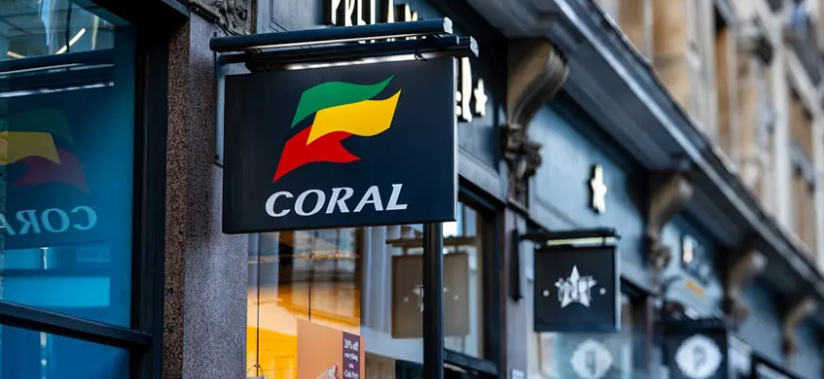
In a report released Thursday, the Treasury select committee accused betting firms of masking highly addictive products behind seemingly low-risk activities such as horse racing and seaside amusements. The committee recommended that new duties focus on high-street slot machines and online casino games, both of which have expanded rapidly since the pandemic.
The Chancellor’s team is still deciding whether to harmonise gambling tax rates across the sector or to target specific areas. Industry sources suggest Reeves may opt for a moderate increase expected to raise between £1 billion and £1.5 billion, but MPs and campaigners are urging a more substantial approach.
The call for tougher regulation echoes proposals from former Prime Minister Gordon Brown, who has advocated a £3 billion rise in gambling duties to help fund the removal of the two-child benefit cap. Influential thinktanks, including the Social Market Foundation and the Institute for Public Policy Research, have also recommended higher levies on the most harmful forms of play.
The report criticised the Betting & Gaming Council after chief executive Grainne Hurst denied in a recent parliamentary session that gambling causes social harm. Committee chair Meg Hillier described the moment as “extraordinary,” saying, “You feel a moment in a room sometimes where everyone’s jaw drops.” Hillier added that when questioned, Hurst doubled down on her claim.
The MPs’ report linked the level of taxation directly to the risk of addiction and called for a system that reflects the differing harms across gambling products. Current duties vary widely: general betting duty on horse racing and sports is set at 15%, casino gaming duty ranges from 15% to 50%, remote gaming duty for online casinos is 21%, and high-street slot machines are taxed at 20% for the most popular machines.
While the Treasury has considered simplifying and merging these rates, the committee argued this would be a mistake. MPs recommended higher taxes on the most addictive products, a stance supported by the Social Market Foundation and IPPR.
Gambling companies have opposed new levies, warning they could drive customers to unregulated websites. The BGC has claimed that steep tax increases could reduce Treasury revenues, harm British sport, and put 40,000 jobs at risk, citing an EY report. Betfred, owned by former Tory donor Fred Done, warned that a sharp rise could force it to close all 1,287 UK shops.
The Treasury committee questioned these claims, pointing to international evidence suggesting higher duties do not necessarily drive illicit gambling.
For Reeves, the upcoming Budget presents a challenging balance between raising billions for public finances and avoiding backlash from industries already under pressure. Labour’s manifesto emphasises protecting working people while ensuring those with “the broadest shoulders” contribute more, leaving sectors such as gambling, alcohol, and other “sin” industries in focus as potential sources of revenue.
With less than three weeks to go, the Chancellor faces mounting political and fiscal pressure to act.