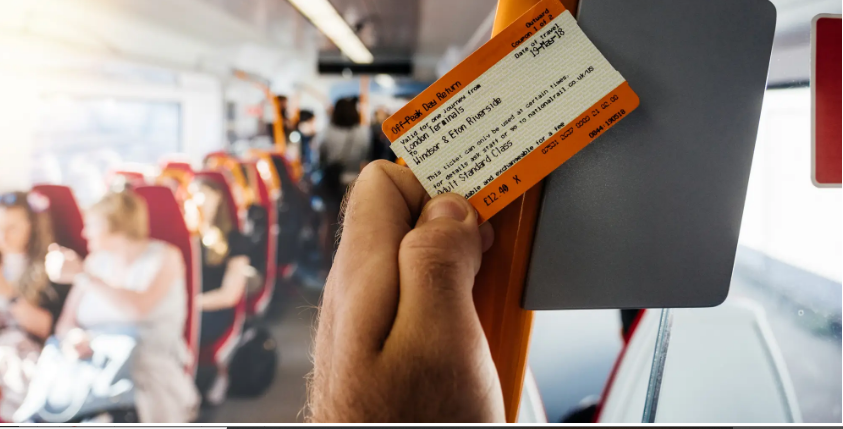
Jaguar Land Rover (JLR) has threatened legal proceedings against National Rail in a trademark dispute over the long-standing use of the terms “rover” and “ranger” for train tickets. The carmaker, owned by India’s Tata Motors, claims the names infringe upon its Range Rover brand.
According to documents seen by The Telegraph, JLR issued a cease-and-desist letter to the Rail Delivery Group (RDG), which oversees the National Rail website, demanding the terms be removed. Train operators were subsequently instructed to strip references to “ranger” and “rover” from their sites.
The RDG has since advised that operators may continue to market the tickets under altered names. JLR has reportedly signaled it will not take further action against companies that comply with the rebranding.
Rover tickets, which allow passengers unlimited travel for a week, have been in use since the 1950s — well before the first Range Rover rolled off production lines in 1970. The original All-Line Rail Rover ticket, introduced by British Rail, cost £15 for second-class travel at the time, equivalent to around £304 today. A modern seven-day All-Line Rover second-class ticket now costs £650.
In a statement, a spokesperson for the Rail Delivery Group said:
“We are confident that our practices have always complied with intellectual property law and were happy to work with Jaguar Land Rover towards a resolution. After being made aware of a trademark query by JLR, we worked closely with them to make a minor change to how we describe our Ranger tickets and Rover tickets.”
Neither National Rail nor JLR have publicly commented further on the matter.
The dispute comes at a sensitive time for Jaguar Land Rover, which is facing wider scrutiny both in the UK and abroad. Earlier this month, U.S. President Donald Trump claimed the company was in “absolute turmoil” following what he called a “totally disastrous woke rebrand.” He also criticised a recent JLR advert featuring brightly dressed models, drawing comparisons to the controversy over Bud Light’s marketing campaign in the United States.
The company is also undergoing significant internal changes. Chief executive Adrian Mardell announced in July that he would step down at the end of the year after more than three decades at JLR. His departure coincides with a restructuring programme that will see 500 UK management roles cut through voluntary redundancies.
Looking ahead, JLR is preparing for one of the most transformative phases in its history. The group has committed to repositioning Jaguar as an electric-only luxury brand from 2026, part of a wider strategy to compete in an increasingly electrified and high-end global car market.