The government has spent more than £30,000 on rebranding England’s nationalised rail services under the new Great British Railways banner, raising questions over the value of public spending.
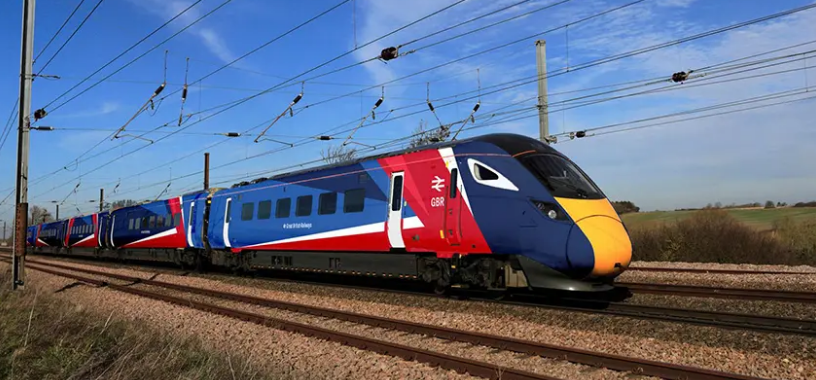
Great British Railways, the brand under which rail services will be brought into public ownership, was unveiled last month by transport minister Heidi Alexander. The new identity includes a modernised version of the familiar double-arrow logo last used under British Rail, alongside a red, white, and blue livery set to appear on trains and other passenger-facing materials. Alexander described the rebrand as more than “just a paint job,” saying it represents a reset for a rail system long criticised by passengers.
A Freedom of Information request obtained by Sky News shows that £32,400 has already been spent on design work. More than £27,000 of this total, excluding VAT, went toward audience research and accessibility testing carried out by a specialist agency. The spending also covered mock-ups for a proposed Great British Railways app and a series of poster designs, although procurement for the app has not yet begun.
Although roughly half of the UK’s major rail operators are now publicly owned, the first trains to carry the new branding are not expected to appear until spring. The Department for Transport said the full cost of repainting trains and rebranding stations has yet to be determined. Officials stressed that the rollout would coincide with routine maintenance schedules rather than an immediate, costly overhaul.
The proposed Great British Railways app, billed as a future “one-stop shop” for rail passengers, also lacks a formal budget or procurement plan. The department indicated that key policy decisions are still pending.
The spending has drawn criticism from campaign groups. John O’Connell, chief executive of the TaxPayers’ Alliance, said the rebrand raised questions about government priorities, noting that passengers continue to face disruption and high fares. “Spending tens of thousands on logos and focus groups, without clarity on the final cost of repainting trains or developing digital platforms, suggests a casual approach to taxpayers’ money,” he said.
Ministers have defended the expenditure, saying most of the work was carried out in-house and that accessibility testing was legally required. A Department for Transport spokesperson said the gradual rollout would “maximise value for money” and that focus groups, including those with accessibility needs, were essential to ensure compliance with legislation.
The rebrand is part of Prime Minister Keir Starmer’s plan to highlight Labour’s commitment to easing the cost-of-living crisis, with frozen rail fares in England cited as an early measure to benefit households.
While the initial cost remains modest compared with the overall rail budget, the long-term expense of rebranding Britain’s nationalised railways is likely to face continued scrutiny as the Great British Railways programme develops.