The government has taken control of Sanjeev Gupta’s largest UK steelmaking business in a dramatic intervention that places more than half of Britain’s steel production under state management.
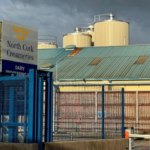
On Thursday, the High Court approved a winding-up petition from creditors, forcing Speciality Steel UK (SSUK) into administration. The official receiver immediately assumed responsibility for the company’s flagship Rotherham steelworks in South Yorkshire, which employs 1,500 people and houses one of the country’s few “green” electric arc furnaces.
The Labour government said the move was necessary to safeguard jobs and maintain steel production, but it comes at a steep cost. The plant’s £4 million monthly wage bill will now be covered by taxpayers until insolvency specialists Teneo secure a private buyer. Officials insist these expenses will be recovered through an eventual sale of the business.
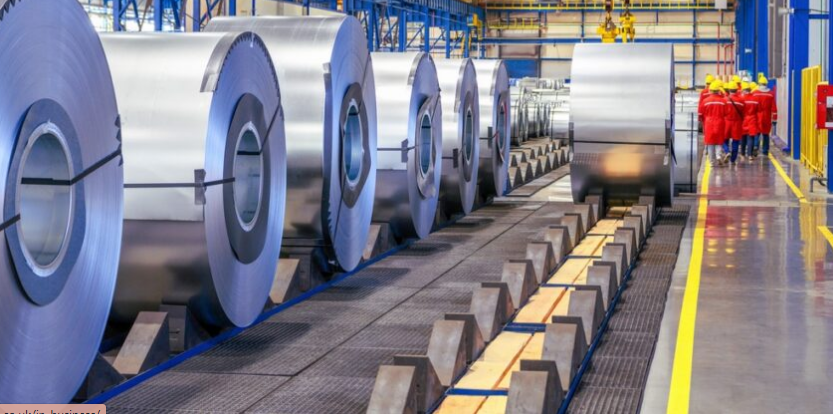
The decision follows earlier state interventions, including April’s takeover of British Steel from Chinese ownership and a £500 million subsidy to support Tata Steel’s green transition in Wales. As a result, more than half of the UK’s 5.6 million tonnes of annual steel output is now directly or indirectly state-run.
Union leaders have urged ministers to be prepared for a long-term role if no buyer emerges. Sharon Graham, general secretary of Unite, said: “If the right buyer cannot be found then the Government should be prepared to run the company itself and ensure it is ready to meet the challenges of the future.” The Community union called the development “worrying” and demanded clarity on job security.
The collapse marks a major setback for Gupta, once dubbed the “saviour of steel,” whose Liberty Steel empire grew rapidly after 2010 through debt-fuelled acquisitions, heavily backed by Greensill Capital. Greensill’s collapse in 2021 left Gupta’s companies financially exposed and facing investigations by the Serious Fraud Office. He has denied wrongdoing.
SSUK owes creditors more than £200 million, including UBS and Greensill’s administrators. In court, Gupta pleaded for another month to finalise his own rescue plan but was rejected. His deputy, Jeffrey Kabel, criticised the ruling as “irrational,” saying: “The taxpayer will now be running a business that could have been funded privately.”
Operations at Rotherham have been largely mothballed for months due to lack of funds, with the High Court hearing that SSUK could not even cover this week’s payroll. The shortfall has already disrupted supply chains, forcing reliance on imported steel.
Industry leaders warn the intervention must be paired with broader reforms. Gareth Stace, director-general of UK Steel, said: “The Government needs to protect the industry from unfair trade and high energy costs so that the Speciality Steels business, and the rest of the UK steel ecosystem, is sustainable.”
For Chancellor Rachel Reeves, the takeover underscores the challenge of balancing her pledge to revive manufacturing with the risks of pouring public money into struggling industries. Steel employs around 37,000 workers nationwide and contributes 0.8% of UK manufacturing output.
Rotherham now represents both a rescue effort and a gamble—whether the government can stabilise the plant and secure a buyer, or whether taxpayers will be left footing the bill for a declining industry.