General Motors has reported a significant 32% drop in second-quarter profits, citing a $1.1 billion blow from newly imposed import tariffs under President Donald Trump’s escalating trade war.
The US automotive giant, still the nation’s largest carmaker by volume, posted a core profit of $3 billion for the quarter, down sharply from the same period last year. Revenue also declined by nearly 2% year-on-year, falling to $47 billion. The downturn is largely attributed to tariffs levied on vehicles manufactured in Canada, Mexico, and South Korea—countries central to GM’s global production network.
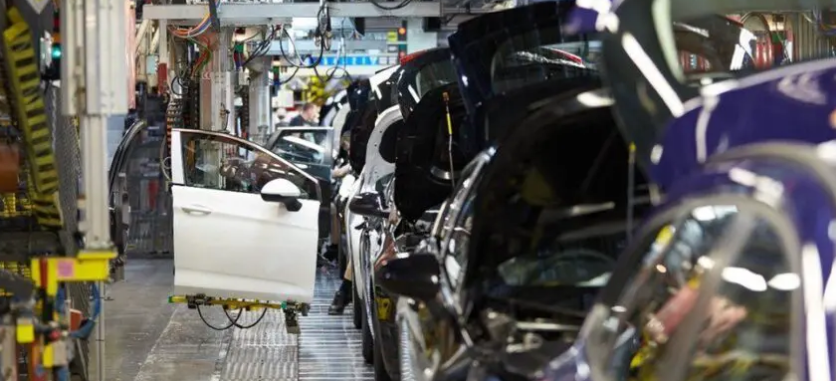
In a letter to shareholders, GM CEO Mary Barra said the company is taking “aggressive action” to cushion the impact, announcing $4 billion in new investments in domestic assembly plants. The initiative aims to reduce reliance on imports and increase US-based vehicle production to over 2 million units annually.
“We are working to greatly reduce our tariff exposure,” Barra stated. “Despite the near-term pressure, we remain focused on a profitable, flexible future.”
GM’s Chief Financial Officer, Paul Jacobson, warned that trade-related costs could total up to $5 billion but noted that the company plans to offset at least 30% of those costs through a combination of domestic manufacturing shifts, cost-cutting measures, and pricing adjustments.
Investors reacted negatively to the earnings report, with GM shares tumbling 6.9% in early trading to $49.52.
Beyond tariffs, the company also faced increased warranty costs, which GM attributed in part to software issues in early batches of its electric vehicles (EVs). GM sold 46,300 EVs during the quarter, up from 31,900 in Q1. However, the automaker acknowledged that growth in the EV market is slowing across the United States.
Adding to concerns, the $7,500 federal EV tax credit—a major incentive for electric vehicle buyers—is set to expire for many GM models in September under the Inflation Reduction Act, potentially dampening future sales.
Despite these challenges, Barra reaffirmed the company’s commitment to EVs. “Even as EV growth moderates, we remain focused on a profitable electric future,” she said, highlighting GM’s investment in domestic battery production and a more adaptable manufacturing platform.
The company’s results highlight the growing strain on US manufacturers in a shifting global trade landscape. As President Trump’s administration pursues a protectionist economic agenda, companies like GM are being forced to reconfigure supply chains and rethink long-term strategies.
While GM expressed optimism that future trade deals may relieve some pressure, the current financial toll underscores the risks and volatility of navigating industrial policy driven by geopolitical tensions.