The European Union is preparing to alter its 2035 ban on new petrol and diesel car sales, a move likely to provoke strong opposition from environmental campaigners. Senior figures in the European Parliament indicate that the European Commission could announce a significant dilution of the rule as early as this week in Strasbourg.
Under legislation agreed in 2022, all new cars sold in the EU from 2035 must produce zero CO₂ emissions, effectively banning petrol, diesel, and hybrid vehicles. The measure was a cornerstone of the EU Green Deal’s climate ambitions for transport. However, Manfred Weber, president of the European People’s Party group, said the planned technology ban on combustion engines would be removed.
“All engines currently manufactured in Germany can therefore continue to be produced and sold,” Weber told Germany’s Bild newspaper, signalling a shift away from strict zero-emission targets. The comments follow months of lobbying from national leaders and the automotive industry.
Germany’s Chancellor Friedrich Merz recently voiced support for revising the ban, arguing that combustion engines will continue to be prevalent globally well beyond 2035. “There will still be millions of combustion engine-based cars around the world in 2035, 2040, and 2050,” Merz said. Italy’s Prime Minister Giorgia Meloni and several leading carmakers have also advocated for allowing hybrid vehicles to remain on sale.
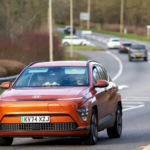
According to Weber, the proposed changes would require manufacturers to cut average fleet emissions by 90 per cent from 2035, rather than enforcing a full zero-emissions target. The adjustment could pave the way for plug-in hybrid vehicles with extended electric range, while retaining combustion engines for longer journeys.
Environmental groups have condemned the potential move. Colin Walker, head of transport at the Energy and Climate Intelligence Unit, warned that weakening the rules would keep European households “stuck driving dirtier and more expensive petrol cars for longer” and could delay the shift to electric vehicles.
Some manufacturers, including Volvo and Polestar, have also voiced concern, arguing that policy uncertainty could benefit Chinese electric vehicle producers, who are rapidly expanding their market share in Europe.
A European Commission spokesperson confirmed that the 2035 deadline remains under discussion, noting that Commission President Ursula von der Leyen has acknowledged calls for “more flexibility” on CO₂ targets. Alongside any adjustments to the ban, the commission is expected to introduce new incentives for the production and purchase of small, affordable electric vehicles made in Europe, aiming to counter growing imports from China.
The debate underscores ongoing tensions within the EU over how quickly to phase out fossil-fuelled cars, balancing climate goals with industrial competitiveness, jobs, and consumer demand. With the automotive sector at the heart of Europe’s economy, the decisions made in Strasbourg this week could shape the continent’s transport landscape for decades.