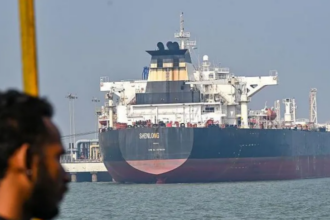
More than three quarters of UK businesses are already feeling the impact of the Middle East conflict, as rising energy costs and supply chain disruptions begin to affect operations, yet confidence at the firm level remains notably resilient. New research from Barclays, based on a survey of over 500 business leaders, shows that 66% of companies are experiencing pressure from higher fuel and energy prices, while half report moderate to significant disruption to supply chains.
Shipping and logistics costs are also rising for 43% of firms, adding further strain to profit margins. In response, companies are adjusting operations and cutting costs. Around 37% have taken steps to reduce energy usage or improve efficiency across their supply chains, and nearly a third have increased prices to offset rising expenses. Many firms are also tightening discretionary spending and overall cost control, with more than a third planning further price increases, signalling that cost pressures are likely to be passed on to consumers.
Access to finance is emerging as a key factor in maintaining resilience. Barclays’ research shows that 41% of businesses see support with cashflow management as essential, while 39% highlight the importance of working capital and short-term credit. Existing cash reserves are playing a crucial role, with more than 80% of firms identifying them as vital for navigating the current environment. Trade finance and cross-border payment solutions are similarly seen as important tools for managing disruption in international markets.
Abdul Qureshi, head of business banking at Barclays, said the current environment presents a “convergence of pressures” for UK firms. “For SMEs, dependable cash flow and access to working capital are increasingly important, not only to keep operations running, but to safeguard future growth plans,” he said.
The impact of rising costs is already visible in consumer spending patterns. Barclays data shows fuel spending rose by nearly 11% year-on-year at the onset of the conflict, while discretionary spending on holidays and travel fell by almost 8% as households adopt a more cautious approach to their finances. This shift could create additional challenges for businesses reliant on non-essential spending.
Despite these pressures, confidence within firms remains strong. Seventy-eight percent of companies are confident in their own prospects, and 74% are optimistic about their sector. Confidence in the wider economy is weaker, with fewer than half expressing trust in the UK economy and even lower levels for the global outlook.
Matt Hammerstein, chief executive of Barclays UK Corporate Bank, said businesses are balancing immediate challenges with long-term planning. “Businesses are having to manage disruption today while remaining ready to invest and grow when conditions improve,” he said.
The findings paint a picture of an economy under pressure but adapting. While firm-level confidence remains high, volatility in energy prices and ongoing geopolitical uncertainty mean the coming months will be critical for UK businesses as they navigate both rising costs and shifting demand.