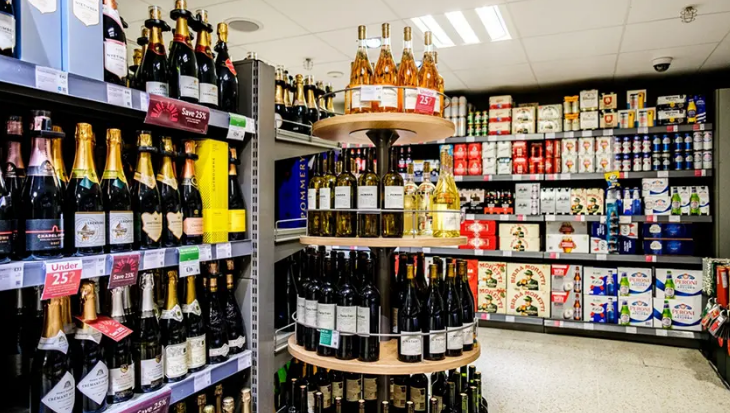
Waitrose is preparing to place bottles of champagne and other high-value spirits behind locked glass cabinets before the end of the year as the retailer escalates its response to rising shoplifting across Britain’s high streets.
The upmarket supermarket chain, owned by the John Lewis Partnership, has informed its workforce of more than 50,000 employees that it will begin trialling “smart cabinets” designed to restrict access to premium products. The move marks one of the clearest signs yet that organised retail crime is affecting even the country’s most affluent grocery stores.
The technology being introduced at Waitrose has already been tested by other major retailers, including Sainsbury’s. In similar systems, customers must complete steps on a digital touchpad before doors unlock. Some versions require loyalty card scans or mobile number entry, creating a digital record of access. The systems can also monitor how long cabinet doors remain open, helping staff identify unusual activity in real time.
While Waitrose has not disclosed full details of its system, it confirmed the rollout will sit alongside other security measures. These include protective coverings for high-value meat products, reinforced barriers at tobacco counters, and an expanded use of body-worn cameras for staff working on the shop floor.
Lucy Brown, director of central operations at the John Lewis Partnership, told staff in an internal message that the company was responding to what she described as a rising tide of retail crime. She acknowledged concerns among workers who witness theft but said direct intervention often poses risks.
Brown warned employees against attempting to detain suspected shoplifters, noting that such encounters can quickly escalate and endanger both staff and customers. She urged partners to prioritise safety over confrontation, even when incidents appear routine.
The policy shift comes after a difficult month for Waitrose’s public image. The retailer faced criticism in April following the dismissal of a long-serving employee who said he was sacked after confronting a shoplifter attempting to steal Easter goods. The company said it followed correct procedures and pointed to safety concerns around staff intervention.
John Lewis chairman Jason Tarry has also weighed in, arguing that responsibility for confronting criminals should rest with trained security personnel rather than shop workers. He said intervention would only take place when it was safe and appropriately managed.
Industry groups have repeatedly warned that shoplifting in the UK has reached levels not seen in decades, with losses to retailers running into billions and reports of rising aggression toward staff. For Waitrose, a brand traditionally associated with calm, service-led shopping environments, the introduction of locked cabinets for champagne signals a notable shift in retail culture.
A John Lewis Partnership spokesperson said the company is investing in advanced technology to deter theft, including smart systems already in use in health, beauty, and spirits aisles. The addition of locked cabinets, it said, would provide an extra layer of protection for high-risk products.
The move highlights a widening gap between large retailers capable of funding sophisticated security systems and smaller independent stores that face similar crime pressures without the same resources.