British companies are sharply reducing their visible support for Pride events, reflecting a wider retreat from diversity, equity, and inclusion (DEI) initiatives that mirrors trends in the United States.
An analysis of corporate social media activity shows that mentions of Pride by some of the UK’s largest companies have fallen by more than 90 percent since 2023. The decline highlights a shift in corporate priorities as firms respond to political pressure and an evolving cultural climate.
In the US, similar trends have been driven by policy changes under President Donald Trump, who has signed a series of executive orders targeting DEI programmes within federal institutions. The move has influenced private sector behaviour, prompting companies to reassess public engagement with social and cultural causes.
Several multinational corporations have reduced or withdrawn sponsorship of major Pride events in 2025, opting for lower-profile participation or no engagement. Organisers say this has had a measurable financial impact. Research from the UK Pride Organisers Network indicates that three-quarters of Pride organisers reported a decline in corporate partnerships, with a quarter experiencing a drop in sponsorship income of more than 50 percent.
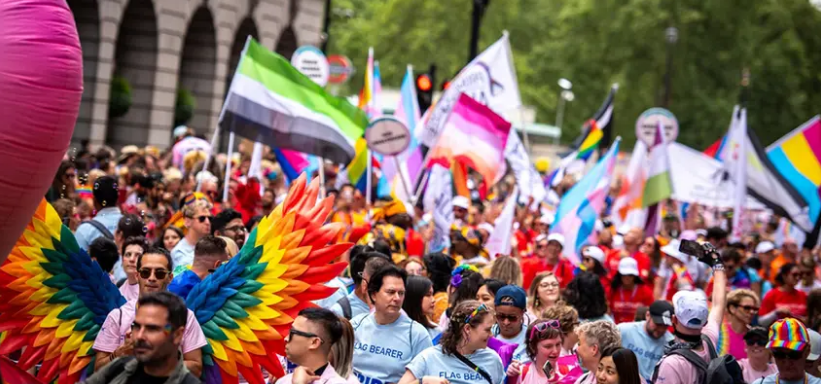
Pride celebrations, traditionally held in June to commemorate the 1969 Stonewall riots in New York, have long relied on corporate backing for visibility and funding. The retreat by major companies marks a notable change in support for the LGBTQ+ community.
Political developments in the US have reinforced caution among multinational companies. Earlier this year, Utah became the first state to ban the display of LGBTQ+ flags on government buildings and schools, with other states considering similar measures. Companies operating in both the US and UK markets are reportedly weighing these developments in their corporate communications strategies.
The Guardian’s analysis examined customer-facing social media accounts across Facebook, Instagram, and X for the ten largest UK-listed companies and the ten largest US companies by market capitalisation. It found that Pride-related posts fell to just four in 2025, down from 52 in 2023. The research included posts referencing Pride events, Pride Month, associated hashtags, and internal LGBTQ+ employee networks.
Campaigners warn that the decline in public support could threaten years of progress in workplace inclusion and visibility. Some business leaders argue privately that reducing public engagement helps avoid involvement in increasingly polarised cultural debates.
The trend highlights a broader reassessment among corporations about the extent to which they are willing to publicly align with social and political causes. With Pride among the first to feel the impact, campaigners and community leaders are calling on companies to reconsider their role in supporting equality initiatives.
The shift in corporate behaviour underscores the growing tension between public advocacy and perceived business risk, suggesting that Pride events may face continued challenges securing sponsorship in the coming years.