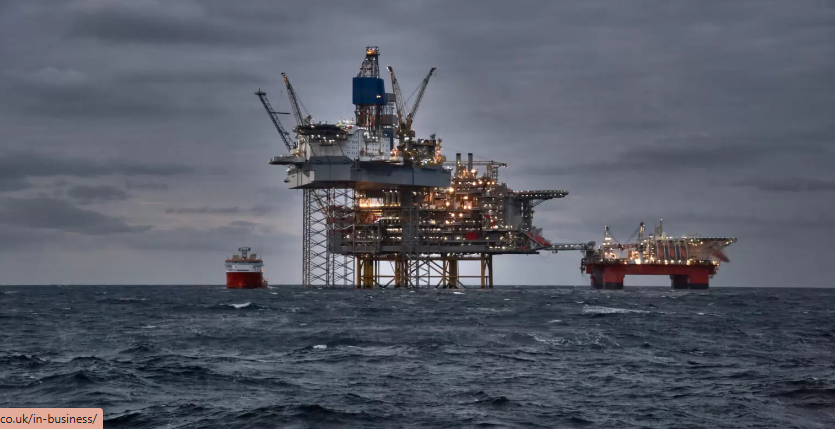
Norway has reopened oil and gas exploration in the North Sea for the first time in four years, triggering renewed calls from UK opposition figures for Britain to lift its own ban on new drilling licences.
The Norwegian Ministry of Energy confirmed this week that it will invite bids for exploration rights in the northern Barents Sea, the Norwegian Sea, and parts of the North Sea. The move is aimed at securing Norway’s position as “a long-term supplier of oil and gas to Europe” amid ongoing energy security concerns.
Energy Minister Terje Aasland described the new licensing round as vital for sustaining the country’s technology-heavy energy sector. “Oil and gas are the engine of the Norwegian economy,” he said, noting that the initiative has already drawn “great interest” from industry players. Aasland added that the new licences would generate jobs, attract investment, and maintain Norway’s role as a stable energy exporter.
The UK Government, however, maintains its ban on new oil and gas exploration licences, introduced last year under Energy Secretary Ed Miliband. Around 180 of Britain’s 280 active fields are expected to shut within five years, raising questions over future domestic supply.
Conservative shadow business secretary Andrew Griffith accused the government of “missing a massive economic trick” by failing to tap remaining North Sea reserves. Reform UK’s energy spokesman Richard Tice went further, calling for offshore and onshore shale gas projects to be restarted and urging ministers to take equity stakes in new developments, similar to Norway’s sovereign wealth fund approach.
Industry body Offshore Energies UK warned that Britain risks deepening its reliance on imported fuel unless it supports homegrown production. CEO David Whitehouse said Norway’s decision “underlines its commitment to secure supplies for Europe alongside renewable growth,” adding that with the right policies, the UK could meet half of its oil and gas needs for reaching net zero by 2050 from domestic waters.
The Department for Energy Security and Net Zero defended the ban, arguing that new oil and gas fields would not lower household bills, improve energy security, or help meet climate commitments.
Global oil prices are currently trading at around $67 per barrel, while Ofgem’s household energy price cap stands at £1,720 — significantly higher than before the war in Ukraine. With European energy markets still navigating post-crisis volatility, Norway’s move is likely to intensify political debate in the UK over whether to prioritise climate goals or secure more domestic fossil fuel production in the years ahead.