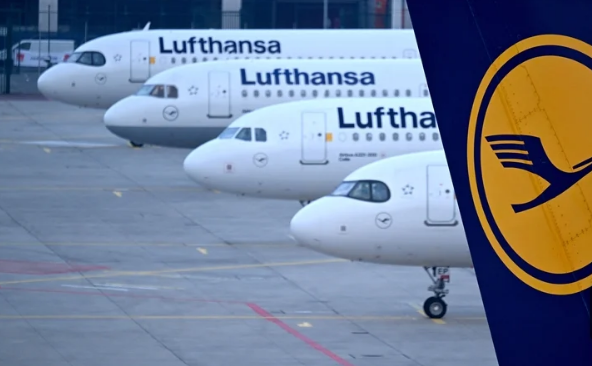
Germany’s flagship carrier Lufthansa has announced plans to remove around 20,000 short-haul flights from its schedule through October, as the airline moves to counter the sharp rise in jet fuel prices linked to the ongoing Iran conflict.
The airline said the reduction represents less than 1% of its total capacity but is expected to deliver significant savings, including a reduction of roughly 40,000 metric tons of jet fuel. Fuel prices have doubled since the conflict began, placing pressure on operating costs across the aviation sector.
Initial changes have already been introduced, with about 120 daily flight cancellations implemented earlier this week. Affected passengers have been notified, while the airline continues to adjust its schedule to limit routes that are no longer financially viable under current conditions.
Several destinations have been temporarily dropped, including routes from Frankfurt to Bydgoszcz and Rzeszów in Poland, as well as Stavanger in Norway. In addition, Lufthansa is consolidating around ten connections across its network by redirecting traffic through alternative hubs. Flights from cities such as Cork, Stuttgart, Gdańsk and Wrocław are among those impacted.
At Cork Airport, the airline’s Cityline service to Frankfurt has been directly affected. Airport authorities confirmed that the four-times-weekly route will be suspended temporarily, with broader reductions and schedule changes expected to continue in the coming weeks.
In a statement, Cork Airport said the adjustments were unavoidable due to current market conditions, noting that Lufthansa is still reviewing its wider European schedule. The airline has advised passengers with bookings to contact customer service for updates and rebooking options.
Since launching operations at Cork in 2021, Lufthansa had steadily expanded its presence, increasing flight frequency from three to four times weekly, with plans to reach six flights per week this year. Those plans are now on hold as the airline reassesses demand and cost pressures.
Despite the cuts, Lufthansa said it expects fuel supply to remain relatively stable during the peak summer travel season. The company is pursuing several strategies to manage costs, including securing physical fuel supplies and using price hedging to protect against further volatility.
The decision highlights the broader strain facing global airlines as geopolitical tensions disrupt energy markets. With jet fuel representing one of the largest expenses for carriers, even modest price increases can have a substantial impact on profitability, prompting airlines to scale back operations and focus on efficiency.