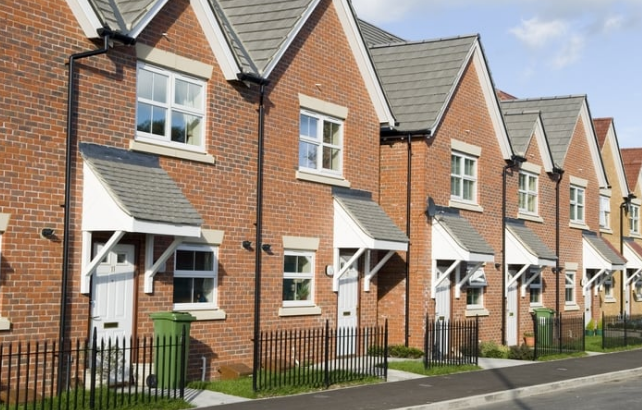
Residential property prices in Ireland rose by 7.4% in the year to August, marking the slowest annual rate of growth since March last year, according to new figures from the Central Statistics Office (CSO). The latest data also shows no change from the 7.4% annual growth recorded in July, suggesting that price inflation in the housing market may be stabilising.
The CSO report reveals a clear divide between Dublin and the rest of the country. Property prices outside the capital were 9.2% higher in August than a year earlier, while prices in Dublin increased by a more modest 5.3%.
Within Dublin, house prices rose by 5.2% and apartment prices by 5.6%. Dublin City recorded the strongest growth, with prices climbing 7.2% over the year, while Dún Laoghaire–Rathdown saw the weakest increase at just 3.3%.
Outside the capital, property prices continued to grow at a faster pace. House prices rose by 9.1%, and apartment prices increased by 9.6% compared to August 2024. The Midlands — covering Laois, Longford, Offaly, and Westmeath — experienced the fastest rate of growth, with prices jumping by 12%. In contrast, the South-East region, which includes Carlow, Kilkenny, Waterford, and Wexford, recorded the slowest rise at 6.8%.
The median price paid for a home nationally in August was €375,000, reflecting ongoing affordability challenges for many buyers despite the easing pace of price increases.
Economists suggest that the slower rate of growth could signal a cooling in the housing market following years of sharp increases. Factors such as higher interest rates, tighter lending conditions, and affordability pressures may be tempering demand. However, supply constraints continue to exert upward pressure on prices, particularly in regions where new housing construction remains limited.
The CSO data also underscores the continuing urban-rural divide in the property market. While Dublin’s growth has moderated amid stretched affordability and a cooling investor market, demand remains strong in regional areas where prices are comparatively lower and hybrid working patterns have encouraged more buyers to relocate outside the capital.
Despite the slowdown, analysts note that overall housing demand continues to outpace supply, suggesting that prices are unlikely to fall significantly in the short term. The figures come as policymakers and housing advocates call for accelerated construction and expanded support for first-time buyers to address Ireland’s persistent housing shortage.