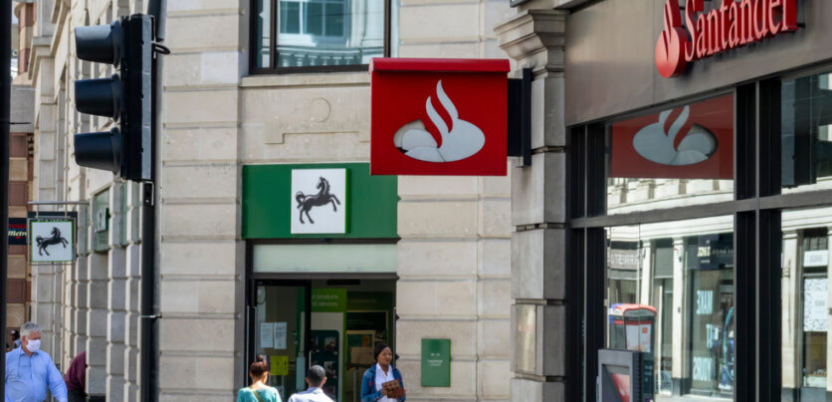
England has seen a dramatic contraction in its high street banking network, with more than 3,700 bank branches closing since 2016 — an average of eight closures per week — according to new research from investment platform Lightyear.
Despite the widespread shutdowns, entrepreneurial activity in the country remains strong. Between 2017 and 2023, over two million new businesses were launched, significantly outpacing the 1.2 million business closures during the same period.
The data highlights a growing shift away from traditional banking infrastructure, as entrepreneurs increasingly opt for digital-first financial platforms that offer greater speed, flexibility, and integration with modern business tools.
Lightyear’s analysis also identified 41 so-called “banking deserts” across England — local authority areas where at least one bank branch has closed for every 10,000 residents. Westminster topped the list with 80 closures, equating to 3.5 closures per 10,000 people. Other areas heavily affected include Westmorland and Furness (2.5 per 10,000) and Derbyshire Dales (2 per 10,000).
The move away from high street banking appears to have accelerated the uptake of online and digital-only banking services among small and medium-sized enterprises (SMEs). According to RFI Global, nearly 40% of UK SMEs now rely on digital banks — a figure expected to grow further as traditional banks continue to scale back their physical presence.
Digital platforms are proving especially attractive to new businesses, offering streamlined onboarding, competitive interest rates, and access to financial products like Money Market Funds. The potential for SMEs to save an estimated £550 billion across the sector is further fuelling this transition.
Wander Rutgers, UK CEO of Lightyear, said the trend reveals a major transformation in how modern businesses manage their finances.
“The launch of nearly 2 million new businesses in recent years is a powerful reminder that entrepreneurial spirit in the UK is thriving,” said Rutgers. “But what’s equally clear is that founders are increasingly turning away from traditional banks, opting instead for platforms that are built for the digital age.”
He added that traditional banks are struggling to keep up with the demands of modern business. “Entrepreneurs are voting with their feet — and their funds — in favour of speed, innovation, and accessibility.”
As physical bank closures continue, digital financial service providers look poised to fill the gap, offering vital tools and capital access to a new generation of business owners in underserved areas across the country.