The government is still considering whether to require small and micro companies to publish full profit-and-loss accounts for the first time, as officials weigh the potential impact on businesses against efforts to tackle financial crime.
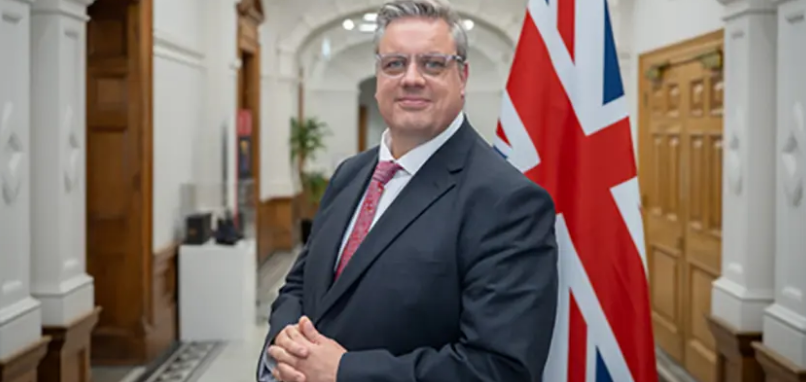
Blair McDougall, the new small business minister, said in an interview with The Times that “all options are on the table” as the government balances fraud prevention with the administrative burden on small firms. “There are obviously different arguments in terms of the impact on businesses of their exposure, particularly for SMEs, versus people who are worried about financial crime and everything else,” he added.
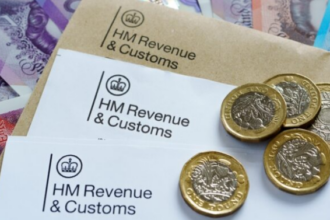
The proposals, first announced by Companies House in June, would remove the right of small or micro firms to submit abbreviated accounts from April 2027. Companies would instead have to file full profit-and-loss statements, revealing revenues and profits, as part of wider reforms under the Economic Crime and Corporate Transparency Act. The law aims to reduce fraud and improve the accuracy of information submitted to Companies House.
Plans for the reforms were initially consulted on in 2019 and legislated in 2023 under the previous Conservative government. If implemented, they would affect businesses with turnover under £10.2 million, balance sheets below £5.1 million, and fewer than 50 employees. Firms would also be required to submit accounts digitally through commercial software, ending the current options for paper and web-based filings.
Business groups have expressed support for increased transparency but warned that publishing detailed financial data could expose commercially sensitive information and deter new entrepreneurs. The Department for Business and Trade paused the rollout shortly after the announcement, citing concerns from small business groups about red tape and competitive risk.
McDougall, who became an MP in 2024 and took on his first ministerial role in September, said the government’s priority is building business confidence and promoting long-term growth rather than rushing reforms. He noted that success would be judged on the delivery of the Small Business Plan and industrial strategy, both launched earlier this year. “We’ve got a terrible history in government of publishing these PDFs that then gather dust,” he said.
The minister made his comments during International Trade Week at The Great British Pitch, an event organised by Small Business Britain that connected entrepreneurs with international buyers. McDougall said such initiatives are crucial for raising the profile of British SMEs and supporting export-led growth.
Officials have indicated that ministers are still assessing the regulatory impact of the new rules before confirming the 2027 timetable. The government is expected to make a final decision on the Companies House reforms early next year, with careful consideration of the implications for smaller businesses.
The outcome will determine whether small firms will face increased transparency requirements or whether the current system of abbreviated accounts will continue, at least for now.