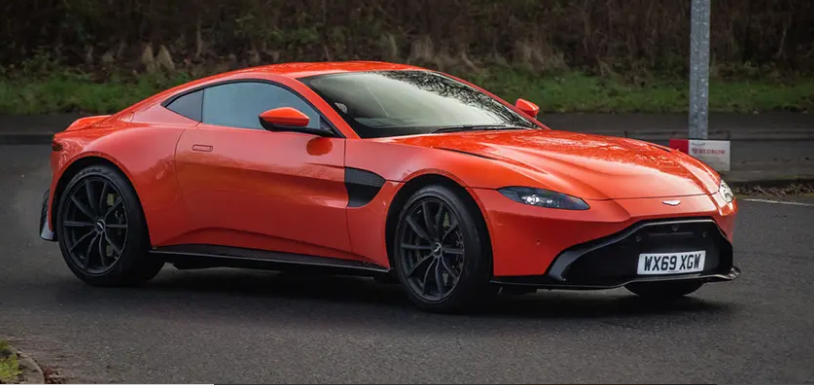
Aston Martin has reported a sharp rise in losses as new US tariffs on UK car imports and weak demand from China hit the luxury automaker’s bottom line. The company posted a pre-tax loss of £112 million for the three months to September, compared with £12 million during the same period last year — an increase of more than 800%.
Revenue fell 27% to £285.2 million, which the company attributed to “extremely subdued” trading conditions across key export markets. Shares in the FTSE-listed manufacturer dropped nearly 6% on Wednesday following the results, marking the latest blow to the 111-year-old brand’s financial recovery efforts.
Aston Martin said its performance had been severely affected by a 10% tariff imposed by the Trump administration earlier this year on vehicles imported from the UK. The United States remains one of Aston Martin’s largest and most profitable markets, making the duties particularly damaging.
“This year has been marked by significant macroeconomic headwinds,” said chief executive Adrian Hallmark, who joined the company earlier this year from Bentley. “The sustained impact of US tariffs and weak demand in China have materially affected our performance.”
Hallmark’s warning echoes concerns across the automotive industry. Mercedes-Benz this week reported a 31% drop in third-quarter profit, also blaming soft Chinese demand and ongoing US tariff policies.
Adding to Aston Martin’s challenges, the company has been forced to delay production of key models, including its Valhalla supercar, due to what it described as “production readiness adjustments.” The company is also dealing with ripple effects from a major cyberattack on Jaguar Land Rover in August, which disrupted production across shared suppliers in the UK.
Aston Martin said the attack had “increased potential for supply chain pressures,” noting that UK car production overall had fallen to a 73-year low last month, according to figures from the Society of Motor Manufacturers and Traders (SMMT).
Executive chairman Lawrence Stroll acknowledged the year had brought “several unexpected challenges,” but said the group remained committed to cost discipline and long-term growth. The company has reduced capital expenditure to £254 million so far this year, down from £300 million in 2024, and expects full-year spending of £350 million — below its earlier forecast of £400 million.
Aston Martin also trimmed its five-year investment plan from £2 billion to £1.7 billion and reported a reduction in financing costs, with borrowing charges expected to fall to £65 million next year from £77 million in 2024.
Despite the headwinds, Stroll maintained optimism about the company’s prospects. “My confidence in the long-term future of this iconic British brand remains unwavering,” he said.
Analysts warn, however, that Britain’s luxury carmakers remain highly exposed to global trade tensions and slowing demand. Aston Martin’s next major milestone will come in early 2026 with the launch of its first fully electric sports car — a critical test for the brand’s turnaround strategy and its place in an increasingly electrified automotive market.